
Introduction: Why the Clothing Business Is Still One of the Best Opportunities in 2026
The global apparel market is valued at $1.84 trillion in 2026 and is on track to reach $2.56 trillion by 2035. (Source: Global Market Insights, 2026) That is not a niche opportunity. That is a sector large enough for thousands of new brands to carve out meaningful, profitable positions, whether you are starting with $200 from your bedroom or $20,000 from a business account.
What makes clothing different from most other businesses is that demand never stops. People buy clothes for identity, profession, occasion, comfort, culture, and self-expression. Every single one of those motivations is a door into a specific clothing business idea you can build around.
This guide covers 20 of the most viable clothing business ideas in 2026, each with real startup costs, accurate profit margins drawn from current market data, a revenue calculation example, step-by-step action points, and an honest pros and cons breakdown. Whether you are searching for online clothing business ideas with low investment, clothing boutique business ideas for a local market, or innovative ideas for a clothing business that stands apart from the crowd, you will find a clear path forward here.
Read this guide alongside our related resources on how to find a clothing manufacturer, starting a clothing brand, writing a clothing line business plan, working with a custom clothing manufacturer, sourcing from a custom T-shirt manufacturer, and finding the right custom hoodie manufacturer.
Who This Guide Is Written For
Before jumping into the ideas, it helps to identify which stage you are at. Each idea suits a different type of person.
Your Situation |
Best Starting Point |
| First-time entrepreneur with under $500 | Print-on-demand or vintage reselling |
| Creative with design skills but low capital | Custom T-shirt or print-on-demand brand |
| Have $1,000 to $5,000 and want a real brand | Private label or clothing boutique |
| Want to serve a specific community or culture | Niche brand: modest fashion, plus-size, cultural wear |
| Already have a skill (sewing, embroidery) | Handcrafted or custom clothing business |
| Want B2B revenue with bulk orders | Corporate merch, school uniforms, or uniform supply |
| Want passive income with minimal daily work | Print-on-demand with SEO-driven Etsy store |
2026 Clothing Market: What the Numbers Tell You
Understanding where the money flows in the clothing industry helps you pick a business idea that is growing rather than shrinking. Here are the most relevant data points for aspiring clothing entrepreneurs in 2026.
Segment |
2026 Market Value |
Growth Rate (CAGR) |
Key Opportunity |
| Global Apparel Market | $1.84 trillion | 3.4% to 2035 | Massive room for niche brands |
| US Apparel Market | $365.7 billion | 2.11% to 2028 | Strong domestic demand |
| Athleisure / Activewear | $431.7 billion | 6.87% to 2033 | Fastest growing clothing category |
| Sustainable Fashion | $11.35 billion | 10.25% to 2032 | Premium pricing, loyal buyers |
| Secondhand / Resale Apparel | $260.24 billion | 15.07% to 2030 | Lowest barrier to entry |
| Women’s Apparel | $930 billion | Crossing $1T by 2027 | Largest single segment globally |
| Children’s Apparel | $274.25 billion | Steady growth | Repeat buyers, size replacement |
| Print-on-Demand Market | $12.96 billion | Growing to $103B by 2034 | No inventory, start immediately |
Sources: Global Market Insights 2025 | Fortune Business Insights 2025 | Straits Research 2025 | Printify 2025 | UniformMarket Statistics 2025
Three Consumer Shifts Shaping Clothing Business in 2026
These are not trends. These are structural changes in how people buy clothes, and they directly affect which business models win.
1. Community Over Generic
Buyers in 2026 choose brands that feel like they belong to a specific world. A streetwear brand for South Asian diaspora, a modest fashion line for working women, a sustainable gym wear brand for environmentally conscious athletes: these outperform generic stores because they speak directly to a group’s identity. Your clothing business idea should start with a community, not a product.
2. Social Commerce Is the New Storefront
Around 61% of consumers research clothing on social media before buying, whether they purchase online or in-store. (Source: UniformMarket, 2025) TikTok Shop, Instagram Shopping, and Pinterest product pins have reduced the friction between discovery and purchase to seconds. A clothing brand launched with strong video content can drive revenue before it even has a proper website.
3. The Secondhand Market Is Mainstream
The global secondhand apparel market is growing at a 15.07% CAGR, faster than every other clothing segment. Younger buyers treat thrifting as a lifestyle statement, not a compromise. For entrepreneurs, this means a reselling or vintage business launched on Depop, Poshmark, or your own Shopify store carries genuine long-term potential.
20 Clothing Business Ideas: Full Breakdown for 2026
Each idea below includes a real startup cost range, honest profit margin data, a worked revenue example, step-by-step action points, and a pros and cons table. Read through all of them before deciding. Many entrepreneurs combine two ideas, for example running a print-on-demand store while building toward a private label brand.
01. Print-on-Demand Clothing Brand

Print-on-demand is the most accessible online clothing business idea available in 2026. You create designs, upload them to a platform like Printify or Printful, connect your store, and the platform handles printing, packing, and shipping every order. You carry no inventory and pay for production only after a customer buys. The POD industry is currently worth $12.96 billion and is projected to reach $102.99 billion by 2034, driven largely by apparel. (Source: Printify, 2025)
Market Data: T-shirts lead global POD sales. Apparel accounts for 39.7% of the entire print-on-demand market. Personalized POD orders average $34.57 per transaction. (Source: Teeinblue, 2025)
Why This Works
- Zero inventory risk. You never buy stock before selling it.
- Dozens of product types: t-shirts, hoodies, leggings, tote bags, hats, and more.
- Platforms like Etsy provide built-in traffic for niche designs.
- Adding a new product takes 20 minutes.
- Run from any country with an internet connection.
How to Get Started
- Pick a specific niche before designing anything. Examples: teachers, dog lovers, gym culture, regional pride, gamers, nurses.
- Create 10 to 15 designs using Canva (free) or Adobe Illustrator. Keep designs simple and clear at small sizes.
- Sign up for Printify or Printful. Both integrate directly with Shopify and Etsy.
- Open an Etsy store or a Shopify store ($39/month). Etsy gives free traffic; Shopify gives brand control.
- List 10 products with keyword-rich titles and descriptions targeting your niche.
- Post 3 TikTok videos per week showing your designs in use. Show the design process, packaging unboxing, or styling.
- After 90 days, analyze which designs sell and double down on that niche.
Revenue Example: Sells 50 t-shirts per month at $30 each. Revenue: $1,500. POD cost per shirt: $12. Platform fees: ~$150. Net profit: ~$750/month (50% margin on revenue). Scale to 200 units and net profit reaches $3,000+ monthly.
Pros |
Cons |
| Zero startup cost possible | Lower margins than private label (20% to 40%) |
| No inventory risk | No brand exclusivity on products |
| Built-in Etsy traffic for niche items | High competition on generic designs |
| Easy to test and pivot | Shipping times vary by print provider |
02. Private Label Clothing Brand
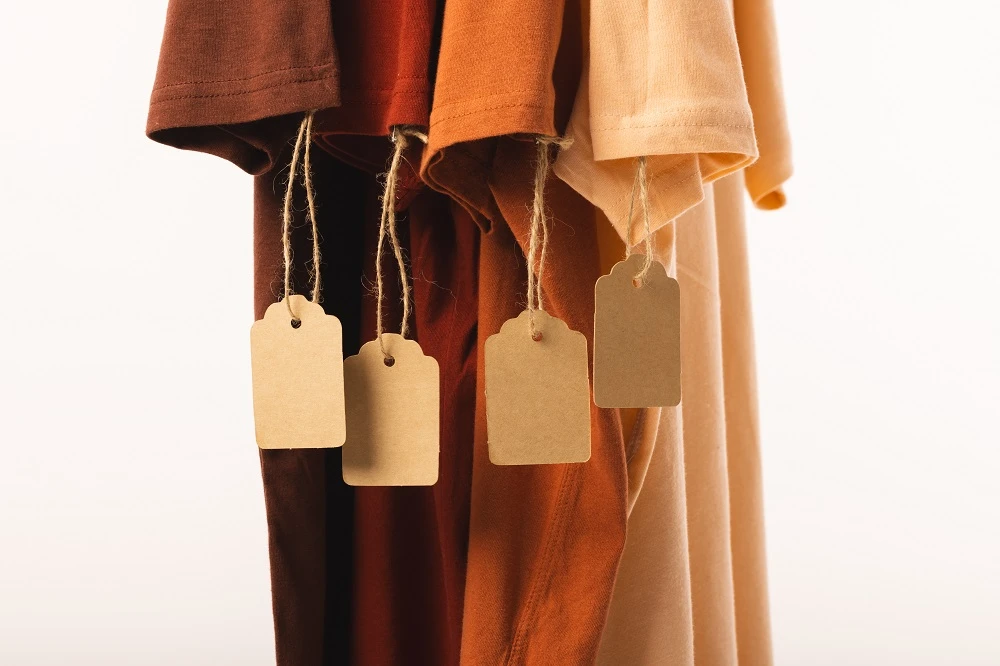
Private label is how most recognizable clothing brands are built. You work directly with a clothing manufacturer to produce garments under your own label, with your chosen fabrics, cuts, colors, sizing, and branding. This is not a side hustle model. It is a real brand-building investment with significantly higher margins and long-term brand equity. Read our complete guide on how to find a clothing manufacturer before starting this route.
Market Data: Private label clothing brands typically achieve gross margins of 50% to 70% per unit. The premium apparel segment is projected to grow at a 4.95% CAGR through 2031. (Source: Mordor Intelligence, 2025)
Why This Works
- You own the product entirely: fabric, fit, label, packaging.
- Customers cannot find your exact product anywhere else.
- Higher perceived value allows premium pricing.
- Builds a brand asset that grows with every order.
- Reorder efficiency improves as supplier relationship matures.
How to Get Started
- Write a one-sentence brand positioning statement before contacting any manufacturer.
- Research manufacturers using directories like Maker’s Row (US), Sourcify, or Alibaba (overseas). Read our guide on custom clothing manufacturers for vetted options.
- Request samples from at least 3 manufacturers before committing to any minimum order.
- Start with a focused collection of 3 to 5 SKUs rather than 20. Fewer products with high quality beats many products with inconsistent quality.
- Build your brand identity: name, logo, color palette, packaging, and label design.
- Set up your Shopify store and run a pre-launch campaign to collect emails and build anticipation.
- Launch with a small first order (typically 100 to 300 units per style) and reinvest profits into the next run.
| Pros | Cons |
| Highest long-term profit margins (50-70%) | Higher startup cost ($1,500 to $10,000+) |
| Full brand control | Longer launch timeline (60 to 120 days for first order) |
| Real defensible brand asset | Requires minimum order quantities |
| Supplier relationship improves over time | Quality control requires active management |
03. Online Clothing Boutique

A clothing boutique business idea is built on curation rather than creation. You source unique, trending, or specialized pieces from wholesalers, buy them at wholesale pricing, and resell them to a defined audience at retail markup. The boutique model works online (Shopify, Instagram) or as a physical shop, and the key differentiator is your taste, your styling, and the community you build around the shop.
Market Data: Online clothing stores are growing at a 4.62% CAGR and are projected to outpace offline retail through 2031. (Source: Mordor Intelligence, 2025)
Why This Works
- No manufacturing complexity. Curate what already exists.
- Faster time to market than private label.
- Strong Instagram and Pinterest presence drives consistent organic traffic.
- Personal styling content builds a loyal audience that buys repeatedly.
- Can specialize in a specific niche: boho, modest fashion, plus-size, workwear, etc.
How to Get Started
- Choose a boutique niche with underserved demand. Research top competitors in your niche on Instagram.
- Source inventory from wholesale platforms like FashionGo, LA Showroom, or Faire. Attend local wholesale markets if available.
- Buy small first. Test 5 to 10 styles with minimum quantities before committing to larger buys.
- Photograph every item with consistent lighting, models, and backgrounds to build a recognizable visual brand.
- Build your Shopify store or sell through Instagram Shopping initially.
- Post daily styling content on Instagram and TikTok. Show the clothes on real people, not just flat lays.
- Add personal touches: handwritten thank-you notes, branded tissue paper, and quick response times build word-of-mouth.
Pros |
Cons |
| Faster to launch than private label | Lower margins than private label if wholesale costs are high |
| No manufacturing required | Dependent on wholesaler stock and reliability |
| Strong community-building potential | Trend risk if inventory does not sell quickly |
| Flexible niche selection | Requires consistent new inventory buying |
04. Sustainable and Eco-Friendly Clothing Line
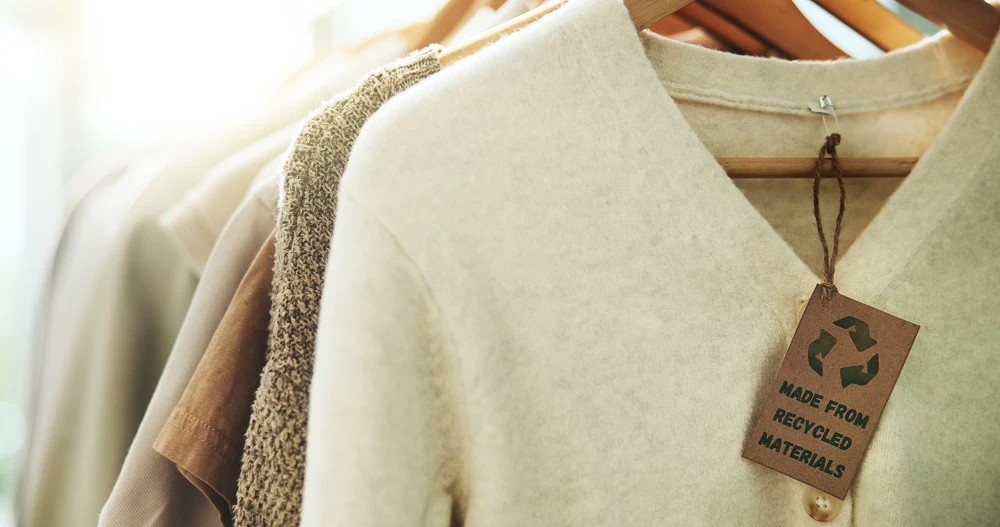
The global sustainable fashion market reached $11.35 billion in 2026 and is growing at a 10.25% CAGR through 2032. (Source: Fortune Business Insights, 2025) Consumers under 35 actively seek brands that use organic cotton, recycled polyester, natural dyes, or ethical manufacturing. The sustainable clothing brand is not a trend. It is a structural shift in how younger buyers spend on fashion.
Market Data: 66% of Gen Z consumers consider sustainability when making purchase decisions. Sustainable fashion commands a 20% to 40% price premium over conventional equivalents in the same category. (Source: Nielsen Global Sustainability Report)
Why This Works
- Premium pricing is justified and expected by the target customer.
- Transparency about your supply chain is itself a marketing asset.
- Loyal, highly engaged buyers who share and advocate for brands they trust.
- Growing press and influencer interest in sustainable fashion brands.
- Access to eco-focused marketplaces and grant programs for ethical businesses.
How to Get Started
- Choose your sustainability angle: organic materials, recycled fabrics, zero-waste production, fair trade manufacturing, or local production.
- Find manufacturers certified with GOTS (Global Organic Textile Standard), OEKO-TEX, or Fair Trade. Our guide on how to find a clothing manufacturer covers these certifications in detail.
- Price your products at a premium and justify it openly. Show real numbers about your supply chain on your website.
- Build a brand story that is personal and specific. Why do you care about this? What did you see in the industry that made you start?
- Apply for sustainable fashion directories: Good On You, The Good Trade, and EarthHero all list vetted eco brands.
- Content strategy: blog posts, behind-the-scenes production videos, and supply chain transparency reports attract organic search traffic and press coverage.
Pros |
Cons |
| Premium pricing power | Higher manufacturing cost than conventional |
| Highly loyal buyer base | Certification process can be slow and costly |
| Strong press and influencer interest | Supply chain complexity |
| Future-proof business model | Requires deep knowledge of sustainable materials |
05. Athleisure and Fitness Wear Brand
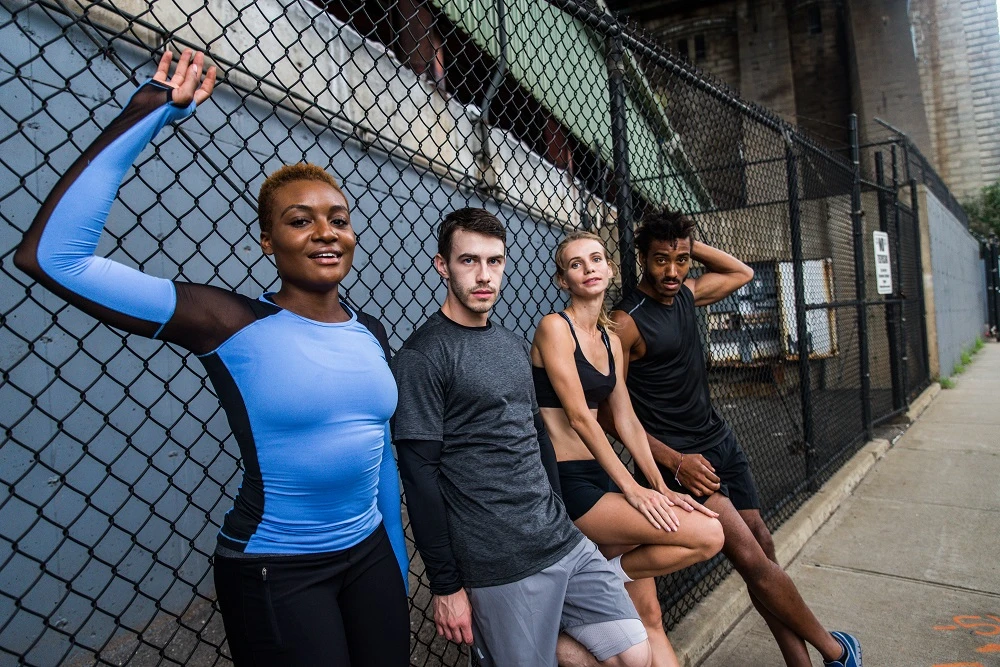
The global athleisure market is valued at $431.7 billion in 2026 and is forecast to reach $731.8 billion by 2033, growing at a 6.87% CAGR. (Source: Straits Research, 2025) Gym wear, yoga sets, running gear, and casual activewear have moved from the gym into offices, airports, restaurants, and everywhere in between. The line between workout clothes and everyday clothes has effectively disappeared for millions of consumers.
Market Data: The women’s segment leads athleisure with 40.5% of revenue in 2025. The children’s athleisure segment is projected to grow at 10.7% CAGR through 2033, the fastest of any demographic. (Source: Grand View Research, 2025)
Why This Works
- Year-round demand with consistent seasonal spikes (January fitness resolutions, summer, back to school).
- Functional performance claims give you real product differentiation beyond aesthetics.
- Fitness influencer partnerships are cost-effective and drive high purchase intent traffic.
- Size-inclusive ranges capture a significantly underserved segment of the market.
- The hybrid work lifestyle means athleisure functions as everyday wear, not just gym wear.
How to Get Started
- Choose your sub-niche within athleisure: yoga, running, HIIT training, casual athleisure, or outdoor adventure wear.
- Research fabric specifications thoroughly. Customers in this category are educated about moisture-wicking, four-way stretch, compression levels, and breathability. Your product descriptions need to speak their language.
- Work with a custom clothing manufacturer who specializes in performance fabrics. Request technical spec sheets with every sample.
- Launch with a core range of 3 products: one legging style, one sports bra, one hoodie or sweatshirt. Master these before expanding.
- Partner with 5 to 10 micro-fitness influencers (10,000 to 80,000 followers) for your launch. Product gifting in exchange for honest content outperforms paid ads at this stage.
- Build a community: Facebook Group, Discord server, or weekly workout challenge on Instagram gives your brand a life beyond the products.
Pros |
Cons |
| Enormous and growing market | Competitive space with established players |
| Year-round demand | Fabric and technical spec knowledge required |
| Performance claims create real differentiation | Returns can be higher due to fit expectations |
| Strong influencer marketing ecosystem | Quality control is critical for performance wear |
06. Custom T-Shirt Business
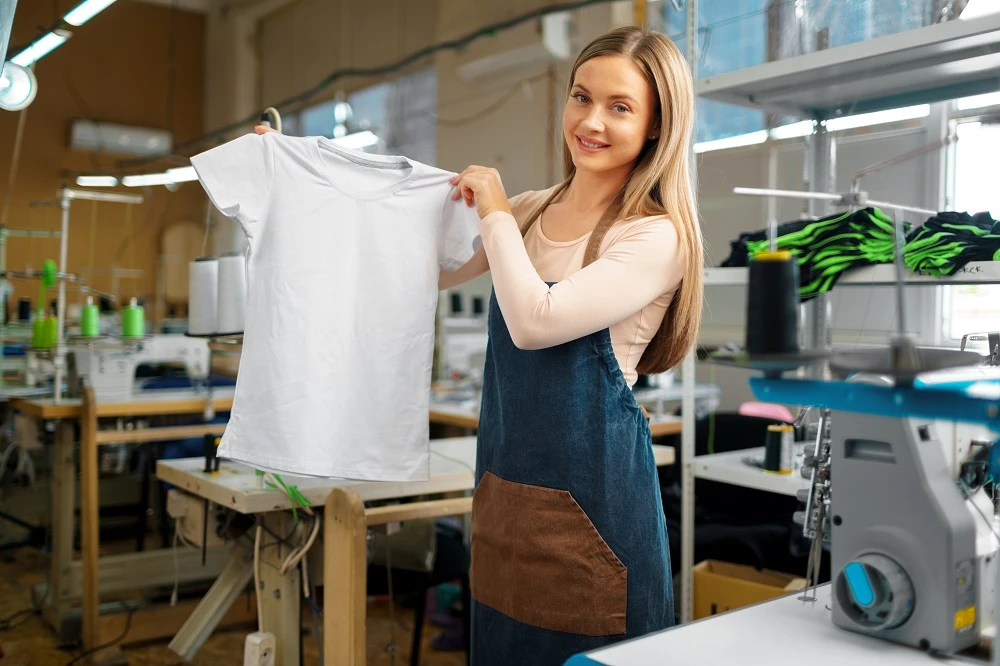
Custom t-shirts serve multiple markets at once: corporate events, sports teams, school fundraisers, birthday parties, charity runs, and personal expression. A custom t-shirt business can operate as a local service (taking orders from businesses and organizations in your area) or as an online brand selling signature designs. This is one of the most straightforward clothing line business ideas with multiple revenue streams. Learn more in our guide on custom T-shirt manufacturers.
Market Data: T-shirts account for the largest share of POD apparel sales globally. Retail prices typically range from $20 to $40 for quality custom tees, resulting in estimated margins of 55% to 70% per item. (Source: TrueProfit, 2025)
Why This Works
- Corporate and event clients place large bulk orders with repeat business built in.
- Low design complexity makes it accessible without advanced fashion expertise.
- DTG printing technology allows short runs without setup costs.
- Local sports leagues, schools, and businesses are reliable B2B clients.
- Design services can be bundled with production for higher average order value.
How to Get Started
- Decide between owning your own equipment (DTG printer: $10,000 to $30,000) or partnering with a custom T-shirt manufacturer to fulfill orders. Most beginners start with a manufacturer partner.
- Target local businesses first: restaurants, gyms, real estate agencies, and sports teams all need branded shirts.
- Build a simple website with a quote request form. Most custom orders start with a phone call or email, not an online checkout.
- Offer free design revisions to reduce friction. Many customers know what they want but cannot visualize it clearly.
- Set minimum order quantities at 12 to 24 pieces for local B2B clients and none for online individual orders.
- After 6 months of local B2B work, launch an online store with your best signature designs for direct-to-consumer sales.
Pros |
Cons |
| Multiple revenue streams (B2B and B2C) | Equipment cost is high if you print yourself |
| Repeat corporate clients provide stable income | Local competition can be price-driven |
| Short production timeline builds customer trust | Requires design skills or a design partner |
| Low barrier to entry using manufacturer partners | Margins compress on very small orders |
07. Custom Hoodie and Streetwear Brand
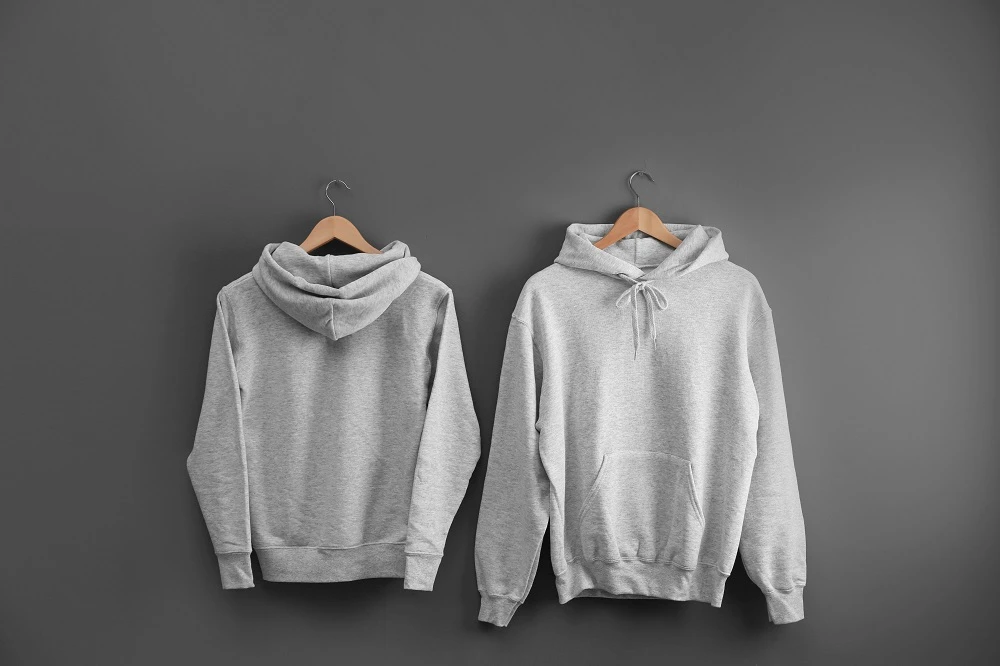
Streetwear is one of the most culturally powerful clothing niches in the world. Brands built on scarcity, community, and authentic storytelling command prices and loyalty that mainstream fashion cannot match. A well-positioned streetwear brand does not compete on price. It creates demand through limited drops, community engagement, and a strong point of view. Working with the right custom hoodie manufacturer is the foundation of product quality in this space.
Market Data: The global streetwear market is worth over $185 billion. Hoodies are the second best-selling POD product globally, trailing only t-shirts. Custom hoodies on Etsy typically sell between $38 and $85, with strong demand for anime, gaming, and music culture themes. (Source: Tapstitch, 2025)
Why This Works
- Premium pricing is culturally expected in streetwear. Scarcity increases perceived value.
- Community building (Discord, Reddit, Instagram) generates free organic marketing through word of mouth.
- Limited drops create urgency and sell-out events that build brand prestige.
- Collaborations with artists and musicians unlock new audiences quickly.
- Strong brand storytelling is often more powerful than the product itself.
How to Get Started
- Define your brand world before designing anything. What does your brand stand for? What culture, community, or subculture does it belong to?
- Work with a custom hoodie manufacturer who can produce heavyweight 400gsm+ fleece in your exact colorways and cut specifications. See our custom hoodie manufacturer guide for vetted options.
- Design your first drop: 2 to 3 hoodie colorways maximum. Do not launch with 12 options.
- Build your community before your first drop. Post behind-the-scenes content for 30 to 60 days before launch. Build an email and SMS list.
- Release as a limited drop with genuine scarcity. First drop should sell out. It is better to sell 50 pieces in 2 hours than 200 pieces over 3 months.
- Reinvest profits into the next drop and a small paid social campaign targeting your community’s interest graph.
Pros |
Cons |
| Premium pricing power | Cultural credibility takes time to build |
| Community creates free marketing | Limited drop model requires consistent launch energy |
| Scarcity drives demand and urgency | Product quality is non-negotiable at this price point |
| Strong brand equity builds over time | Copycats and similar brands appear quickly in successful niches |
08. Plus-Size Fashion Brand
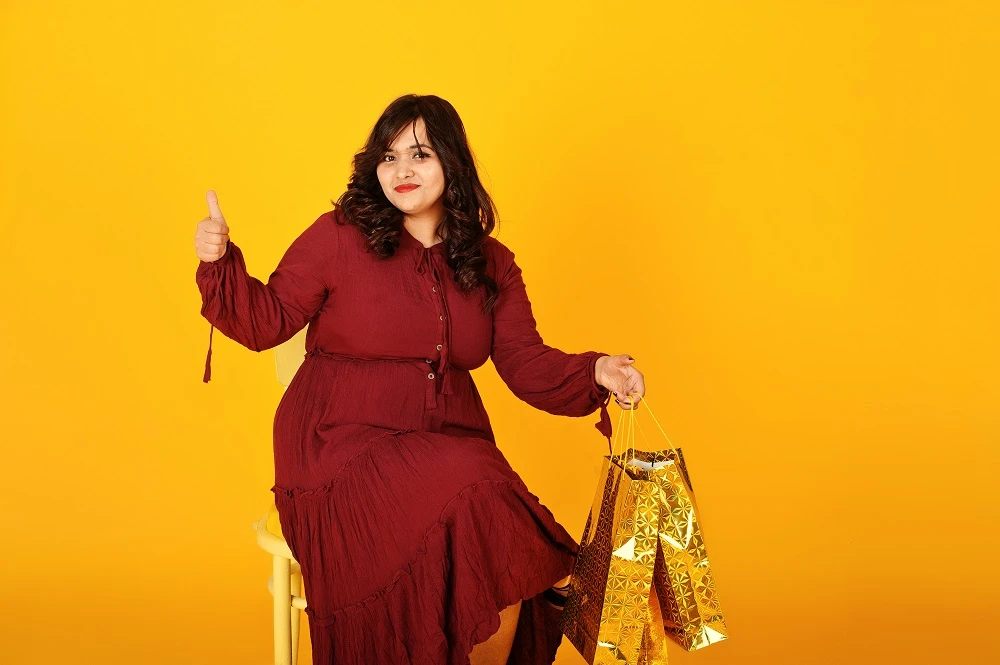
Plus-size women’s clothing represents over $32 billion of the US market yet receives a fraction of the design attention and style investment given to standard sizing. Most plus-size shoppers report frustration with limited silhouettes, inconsistent sizing, and a shortage of trend-forward options in their size range. This is not a small gap. It is a large, underserved audience with real purchasing power and intense loyalty toward brands that take them seriously.
Market Data: The global plus-size women’s clothing market is growing at 5.9% CAGR and is projected to exceed $800 billion globally by 2030. (Source: Allied Market Research)
Why This Works
- Deeply underserved by mainstream fashion, meaning lower competition for quality brands.
- Buyers in this category have extremely high brand loyalty when treated well.
- Social media communities (body-positive Instagram, TikTok) organically amplify brands that show real representation.
- Extended size production can be done through the same manufacturers that produce standard sizing.
- Average order values tend to be higher as buyers purchase full outfits when they find a brand that fits well.
How to Get Started
- Research your target customer specifically. Plus-size is not monolithic. Are you targeting professional women, casual everyday wear, formal occasions, or activewear?
- Develop a size run that actually reflects your customer. Many brands stop at 2X or 3X. Consider going to 5X or 6X for true inclusivity.
- Work with fit models at every size point in your range, not just one. Fit quality at larger sizes requires different pattern work than standard sizing.
- Build your brand with representation from day one: use models in your full size range across all marketing materials.
- Create a community space (Facebook Group, newsletter) where your customers can discuss styling, share photos, and give direct feedback.
- Price your products fairly and do not charge a ‘plus-size tax’ (a common industry practice that alienates buyers).
Pros |
Cons |
| Underserved market with high loyalty potential | Requires significant pattern and fit investment |
| Strong word-of-mouth in plus-size communities | Extended size runs increase SKU complexity |
| Higher average order values | Returns due to fit issues can be higher initially |
| Mission-driven marketing resonates deeply | Finding experienced plus-size fit models takes effort |
09. Modest Fashion Brand
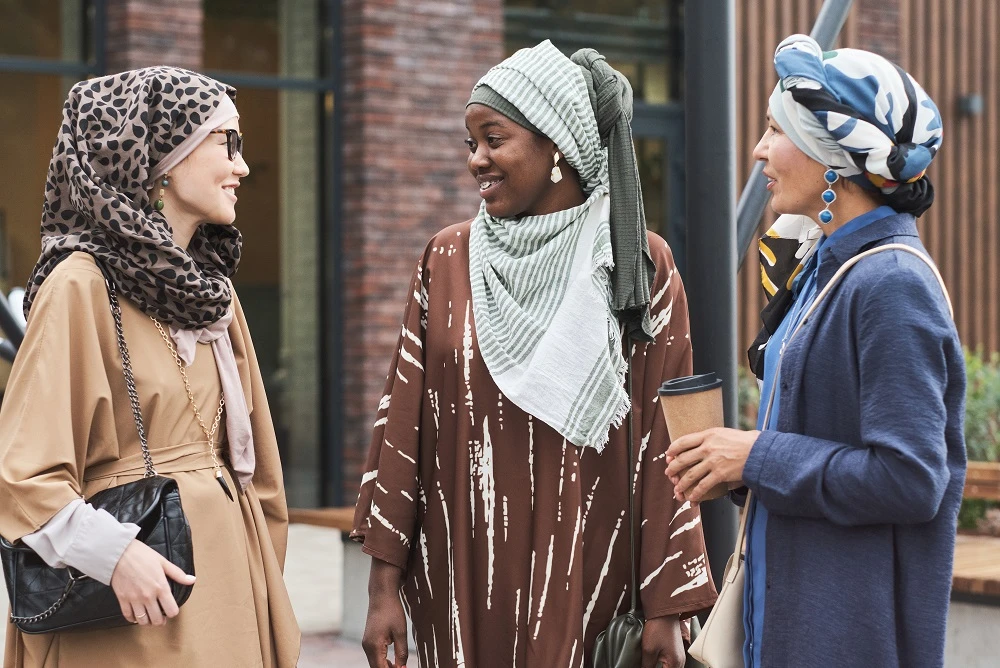
Modest fashion encompasses clothing designed to cover more of the body for religious, cultural, or personal reasons. This includes abayas, hijab-compatible tops, longline dresses, wide-leg trousers, and workwear designed for Muslim, Jewish, Christian, and modesty-preference consumers. The global modest fashion market is valued at over $318 billion and growing. (Source: DinarStandard Global Islamic Economy Report) This is one of the most community-driven and underserved clothing business niches in the world.
Market Data: The Muslim modest fashion segment alone is expected to grow to $488 billion by 2025. Diaspora communities in the West actively seek quality modest clothing that aligns with local fashion trends. (Source: DinarStandard)
Why This Works
- Deeply community-driven buying behavior generates word-of-mouth at a scale most brands can only dream of.
- Authentic brand representation (founders who are part of the community) is a significant trust advantage.
- Ramadan, Eid, and holiday seasons create predictable demand spikes for planned inventory.
- Growing Western awareness of modest fashion means mainstream press coverage is accessible.
- International shipping opens the market to buyers across the Middle East, Southeast Asia, UK, US, and beyond.
How to Get Started
- Define your specific community focus: Muslim modest wear, Jewish tzniut fashion, Christian modest wear, or general modest preference fashion.
- Hire a designer with direct experience in modest silhouettes. Standard fashion patterns require significant adaptation.
- Build your social presence on Instagram and TikTok with styling content tailored to your community’s aesthetic. Authenticity is everything in this space.
- Partner with modest fashion influencers and bloggers who have established trust in their communities.
- Launch during Ramadan or Eid season for maximum initial visibility if targeting Muslim consumers.
- Create a lookbook with real styling guides showing outfit options for work, formal occasions, and casual settings.
Pros |
Cons |
| Deeply loyal and vocal customer community | Requires genuine cultural understanding |
| Predictable seasonal demand spikes | Competition from established regional brands (Gulf, Southeast Asia) |
| International market accessible immediately | Authentic representation is non-negotiable |
| Mission-driven brand story resonates powerfully | Sizing conventions vary by cultural market |
10. Vintage and Secondhand Reselling Business
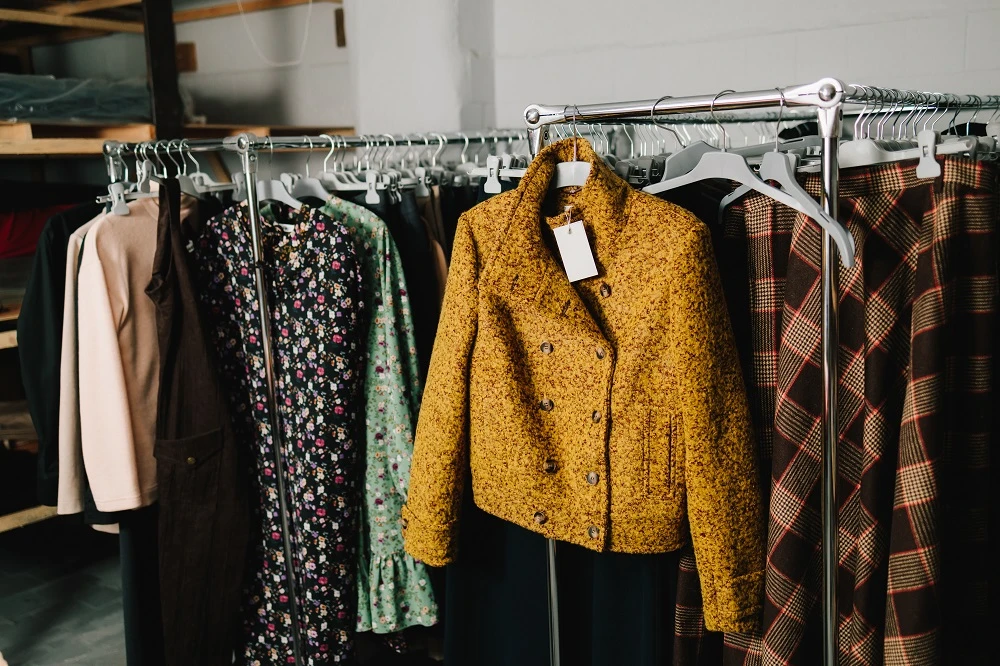
The global secondhand apparel market is valued at $260.24 billion in 2026 and growing at a 15.07% CAGR, faster than every other clothing segment. (Source: UniformMarket, 2025) Reselling vintage and curated secondhand clothing is the lowest barrier-to-entry clothing business idea that still carries genuine profit potential. You can start today for under $100 and build a recognizable brand through consistent sourcing, photography, and community.
Market Data: 43% of people aged 18 to 34 shop secondhand items very often or often. Platforms like Depop, Poshmark, ThredUp, and eBay now have hundreds of millions of active users. (Source: UniformMarket, 2025)
Why This Works
- Startup cost is almost nothing. Initial inventory can come from your own wardrobe.
- No manufacturing decisions, no minimum orders, no lead times.
- Every item is unique, which creates FOMO and urgency without any marketing spend.
- The sustainability angle is authentic and powerful. Secondhand is inherently eco-friendly.
- Deep sourcing knowledge (spotting valuable brands and quality fabrics) becomes a genuine competitive moat.
How to Get Started
- Start sourcing from thrift stores, charity shops, estate sales, garage sales, and Facebook Marketplace. Visit weekly and build relationships with store staff who can call you when good stock arrives.
- Learn to identify high-value brands and quality construction: check labels, examine seams, check fabric weight and composition.
- Photograph items with consistent, clean setups: white or neutral background, good natural light, multiple angles including close-ups of labels and any wear.
- List on Depop, Poshmark, or both initially to build sales history. Build a Shopify store once you have consistent monthly sales of 30+ items.
- Brand your shop: consistent visual aesthetic, thank-you cards, and tissue paper wrapping distinguish you from casual resellers.
- Post Depop haul videos and thrift flip content on TikTok. This category generates millions of organic views.
Pros |
Cons |
| Near-zero startup cost | Time-intensive sourcing process |
| Fastest path to first sale | Inventory is unpredictable and non-repeatable |
| Inherently sustainable business model | Scaling requires more sourcing time or staff |
| Growing fast across all demographics | Platform fees on Depop and Poshmark reduce margins |
11. Business Casual Clothing Line
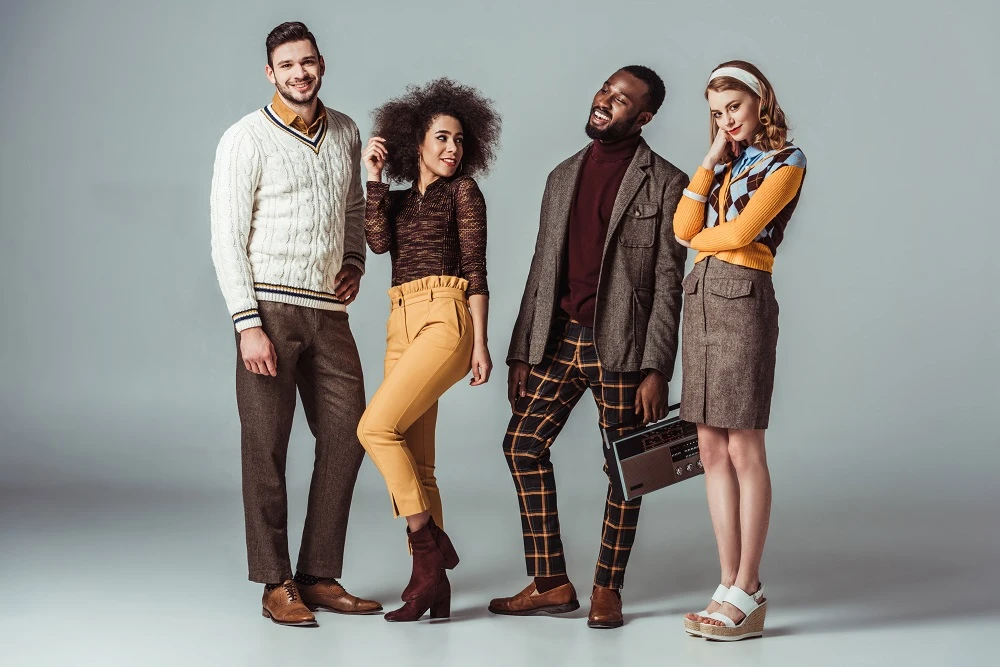
The rise of hybrid work has created a new clothing need that sits between formal office wear and casual weekend clothes. Business casual clothing ideas that are polished yet comfortable represent one of the fastest-growing gaps in the market. Think structured blazers in comfortable fabrics, relaxed trousers with stretch, quality knit tops, and versatile button-downs that function from a morning meeting to an evening dinner. The target customer is a working professional between 28 and 50 who buys intentionally and values fit, quality, and versatility.
Market Data: Professional and business apparel is a $50+ billion segment globally. The work-from-home and hybrid work shift has permanently expanded the business casual category as professionals seek clothes that work in both settings. (Source: Grand View Research, 2025)
Why This Works
- Target customer has higher disposable income and is willing to pay for quality.
- Fewer trendy items means slower inventory turnover risk. Quality basics remain relevant season after season.
- Corporate buyers and individual professionals both represent potential customers.
- LinkedIn content and professional communities provide unusual marketing channels most clothing brands ignore.
- Bundle purchasing is natural in this category. Professionals often buy an entire outfit at once.
How to Get Started
- Define your specific business casual identity: are you minimalist and clean (think UNIQLO positioning), bold and structured, or relaxed and approachable?
- Focus on fabrics that hold their shape and wash well. Your target customer is wearing these clothes repeatedly under professional scrutiny.
- Develop a capsule collection approach: 8 to 12 core pieces that all work together. Show customers exactly how to combine them.
- Price at a premium and justify it with fabric details, construction notes, and care guidance on your product pages.
- Market on LinkedIn, in professional newsletters, and through career-focused content creators.
- Offer a fit guarantee to reduce the main friction in buying professional clothing online.
Pros |
Cons |
| Higher average order values | More conservative buying pace than trend-driven fashion |
| Repeat purchases as customers build their wardrobe | Fit expectations are high in this category |
| Less trend risk with quality basics | Longer product development cycle |
| Professional marketing channels are underused by fashion brands | Returns due to fit can be significant |
12. Kids and Children’s Clothing Line
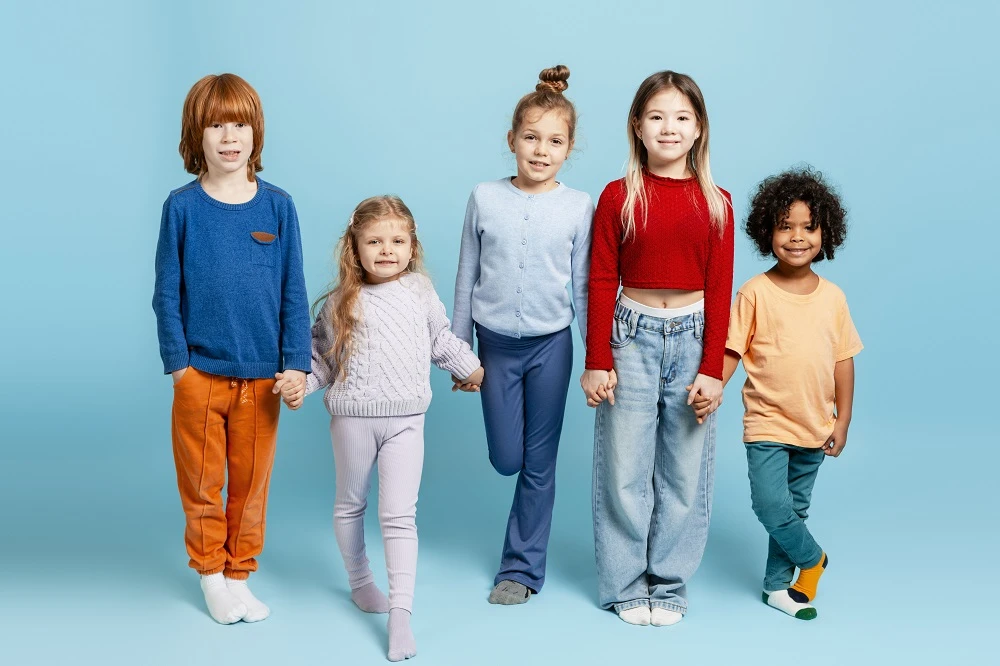
Parents spend generously and replace children’s clothing frequently as kids grow out of sizes quickly. The global children’s apparel market is valued at $274.25 billion in 2026. (Source: UniformMarket, 2025) A kids clothing line can specialize in a specific age group, style (gender-neutral, character-themed, organic, party wear, school uniforms), or function (activewear, swimwear, sleepwear).
Market Data: The children’s athleisure segment is growing at 10.7% CAGR, the fastest of any age demographic in athleisure. (Source: Grand View Research, 2025) Gender-neutral children’s clothing is one of the fastest-growing niches within this category.
Why This Works
- Parents are repeat buyers. Children grow through sizes quickly, triggering regular repurchasing.
- Gifting is common. Grandparents, aunts, uncles, and friends represent a secondary buyer market.
- Gender-neutral and organic niches are growing faster than conventional children’s fashion.
- School seasons and holidays create predictable demand spikes you can plan inventory around.
- Strong parenting communities on Instagram and Facebook create built-in marketing channels.
How to Get Started
- Choose your kids clothing niche: organic basics, party and occasion wear, gender-neutral everyday wear, or active and outdoor clothing.
- Safety certifications are non-negotiable. Research CPSC (Consumer Product Safety Commission) requirements for children’s clothing in your target market. Certain fabric treatments, drawstrings, and buttons are regulated.
- Fabric softness and durability are the top purchase criteria for parents. Make fabric specs prominent on every product page.
- Build relationships with parenting influencers and mom communities on Instagram. Gifted reviews from credible parenting accounts drive significant traffic.
- Offer gift wrapping and a gift messaging option at checkout. A large portion of kids clothing is purchased as gifts.
- Create a size guide that is genuinely helpful. Parents often buy two sizes simultaneously to account for growth.
Pros |
Cons |
| Repeat purchases built into the growth cycle of children | Safety regulations require careful compliance |
| Strong gifting market beyond the primary parent buyer | Sizing complexity across age groups |
| Gender-neutral and organic niches have very low competition | Fashion cycles for kids are fast-moving |
| Loyal parenting communities drive organic marketing | Returns for wrong sizing are common |
13. Culturally Inspired Clothing Brand
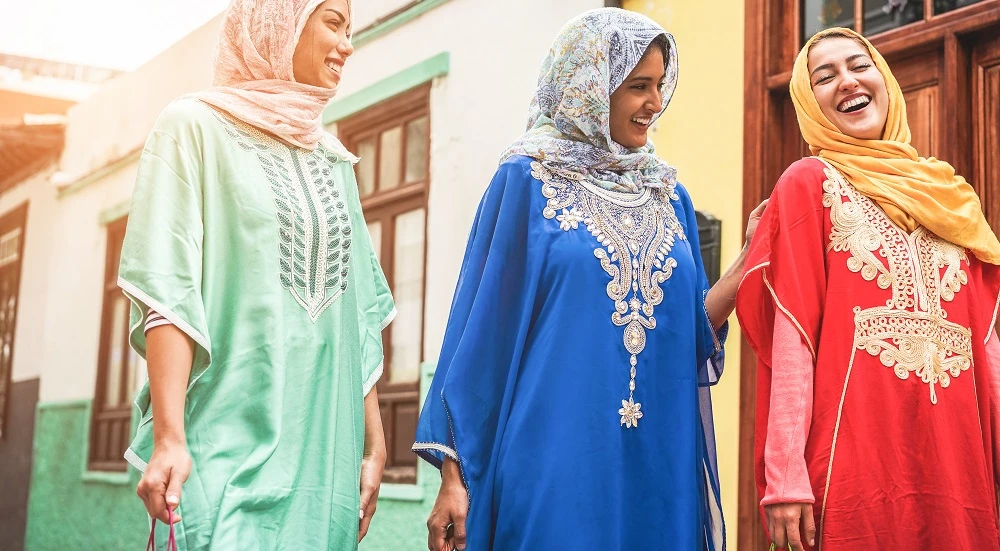
Clothing that celebrates cultural identity, whether African print, South Asian embroidery, Latin American textiles, East Asian-inspired silhouettes, or Middle Eastern craftsmanship, holds deep emotional resonance and commands genuine premium pricing when executed with authenticity. Diaspora communities worldwide actively seek out brands that speak to their heritage, and mainstream fashion media is increasingly hungry to feature culturally grounded independent brands.
Market Data: The cultural fashion segment is growing globally as diaspora populations increase in Western markets and cultural pride movements drive consumer purchasing decisions across social media.
Why This Works
- Cultural authenticity is a competitive moat that cannot be manufactured or replicated by generic brands.
- Community trust and word-of-mouth are extraordinarily powerful in tight-knit cultural communities.
- Press and media actively seek to feature diverse fashion brands, creating editorial opportunities.
- International reach is natural. Your community exists worldwide, not just locally.
- Collaboration potential with artists, musicians, and cultural figures within your community.
How to Get Started
- Build from the inside of the community, not from the outside. If this is your heritage, tell your story directly and specifically.
- Source textiles, techniques, or artisans from within the culture you are representing. Authenticity begins at the supply chain level.
- Document the craft and process. Behind-the-scenes content showing traditional techniques and artisans generates deep engagement.
- Partner with cultural events, diaspora organizations, and community celebrations for visibility.
- Price your work at a level that respects the craft. Cultural fashion is not cheap fashion.
- Build your online presence across both English-speaking markets and your community’s primary language markets simultaneously.
Pros |
Cons |
| Deep community loyalty and advocacy | Requires genuine cultural authenticity |
| Premium pricing respected and expected | Cultural appropriation risk if not authentic |
| Strong press and editorial interest | Artisan sourcing can be complex internationally |
| International market accessible from day one | Community standards and expectations are high |
14. Clothing Rental Business
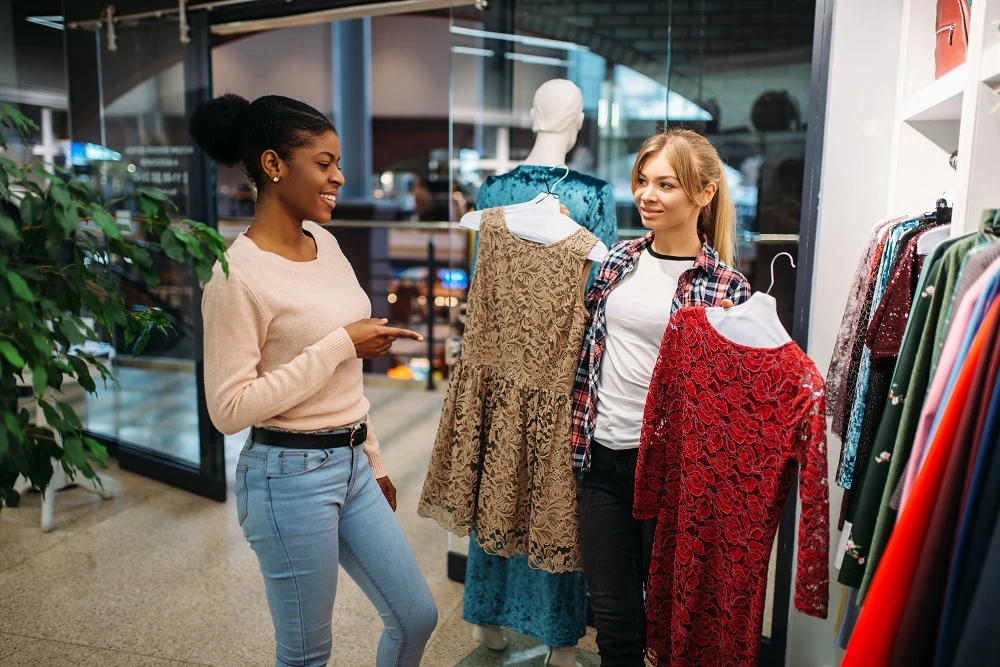
Fashion rental is growing as consumers become more sustainability-conscious and experience-oriented. Wedding outfits, formal occasion dresses, designer pieces, and seasonal statement garments are the strongest rental categories. The rental model appeals strongly to buyers who want to wear something special without the full purchase commitment and environmental impact of a single-use outfit.
Market Data: The global fashion rental market is projected to grow from $1.26 billion in 2025 to $2.68 billion by 2032, growing at a CAGR of 11.4%. (Source: Fortune Business Insights)
Why This Works
- Each garment generates revenue multiple times from different customers.
- Sustainability angle is genuinely compelling and differentiates from purchase-based competitors.
- High-ticket formal and designer pieces are the strongest rental performers.
- Local market positioning (your city or region) limits competition to a manageable level.
- Subscription model option provides recurring monthly revenue from regular customers.
How to Get Started
- Define your rental category: formal occasion wear, designer pieces, maternity clothing, or general fashion subscription.
- Start with 30 to 50 quality pieces in the most requested sizes (typically US 4 to 14) before expanding.
- Develop a garment care and cleaning process. Every returned item must be inspected and cleaned before the next rental. Factor cleaning costs into your pricing.
- Build a simple booking calendar on your website. Customers need to see availability and reserve specific dates.
- Partner with event planners, wedding photographers, and bridal shops for referrals.
- Photograph every piece on a real model. Rental conversion rates are significantly higher with quality photography showing actual fit.
Pros |
Cons |
| Each garment earns revenue multiple times | High upfront inventory investment |
| Sustainability positioning is authentic | Logistics of returns and cleaning are complex |
| Recurring subscription revenue possible | Garment damage and loss management required |
| Low ongoing inventory cost once built | Requires local or regional focus initially |
15. Corporate Branded Merchandise and Uniforms
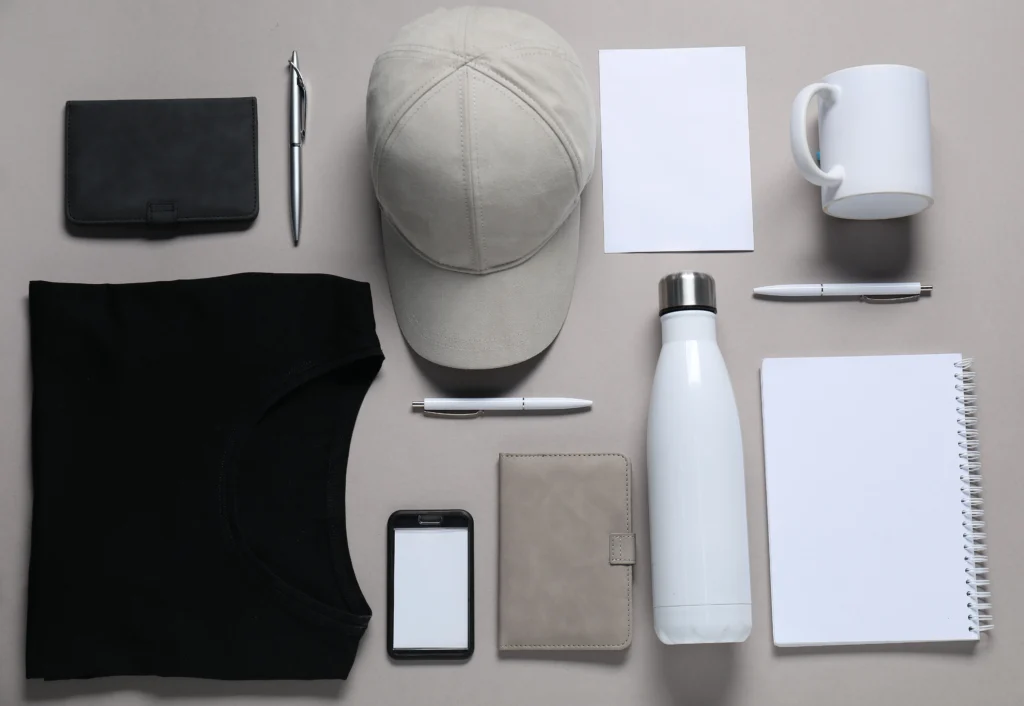
Companies consistently need branded polos, jackets, caps, and shirts for their teams, events, and client gifting. A business specializing in custom corporate clothing serves a high-value B2B market that reorders frequently and values speed, reliability, and professional communication above price. This is one of the most overlooked clothing business ideas for entrepreneurs with organizational and sales skills.
Market Data: Corporate apparel and promotional products is a $26 billion industry in the US alone. (Source: PPAI Research, 2024) Average corporate order sizes range from $1,500 to $15,000.
Why This Works
- Corporate clients place large orders with repeat business built in from the start.
- B2B relationships compound over time. One account manager referral can unlock an entire company.
- Price sensitivity is lower than consumer markets because purchasing decisions go through budget approval.
- Design services bundled with production increase your average order value significantly.
- Seasonal events (company retreats, holiday parties, team launches) create predictable order spikes.
How to Get Started
- Partner with a custom clothing manufacturer who can handle bulk orders with consistent quality across all units.
- Build a B2B-specific website or landing page with a quote request form. Corporate buyers need to request custom quotes, not add to cart.
- Start with local businesses in your network. Warm outreach converts far better than cold email for this type of business.
- Offer a branded design service. Many companies have a logo but need help applying it correctly to garment templates.
- Create a sample kit: branded polo, embroidered cap, and custom-printed jacket shipped to prospects so they can feel the quality.
- Develop a tiered pricing structure based on order volume. This rewards large orders and encourages clients to consolidate purchases with you.
Pros |
Cons |
| Large order values from single clients | Longer sales cycle than consumer markets |
| Predictable repeat business | Requires strong B2B communication and follow-up |
| Less marketing spend needed than consumer brands | Competition from large promotional product companies |
| Relationships compound into referral networks | Strict brand guideline compliance required |
16. Handcrafted and Artisan Clothing
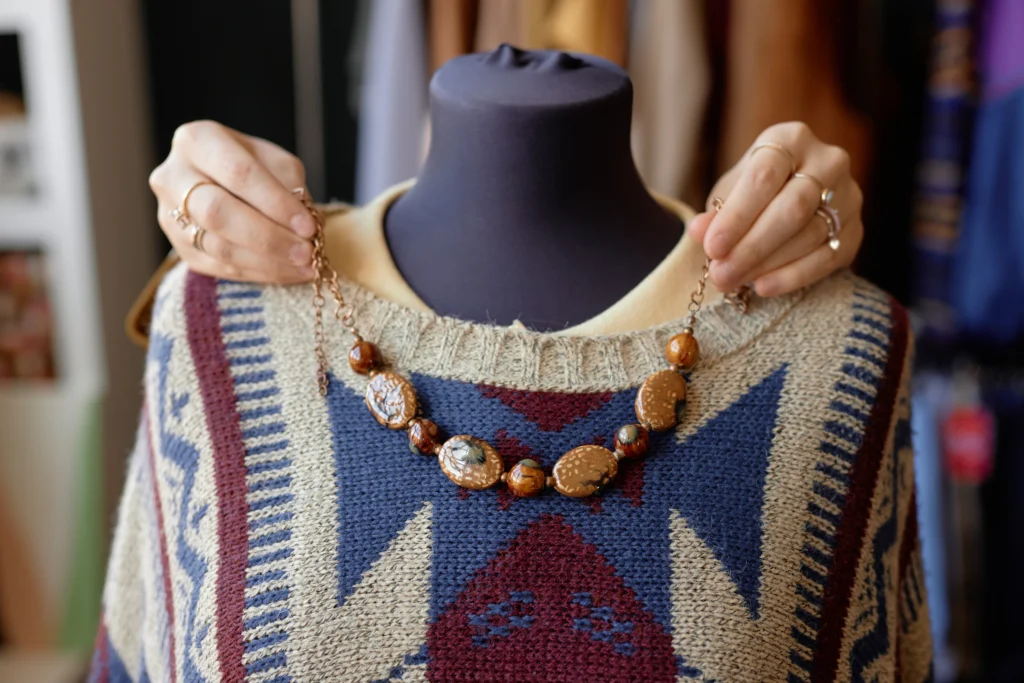
Sewists, crochet artists, textile designers, and garment artisans can build genuine, profitable businesses around handcrafted clothing. Platforms like Etsy reward authentic, one-of-a-kind items and buyers in this category actively seek out handmade pieces as alternatives to mass-produced fashion. The key challenge is pricing correctly, which most artisan sellers consistently fail to do.
Market Data: Handmade clothing commands a significant premium over mass-produced equivalents when marketed correctly. Etsy’s handmade clothing category generates hundreds of millions of dollars annually from artisan sellers worldwide.
Why This Works
- Every piece is unique, creating genuine scarcity and collector appeal.
- The sustainability and anti-fast-fashion narrative is built in.
- Deep personal brand story (the maker behind the item) drives loyalty.
- Custom and made-to-order capabilities serve customers who cannot find their size or style elsewhere.
- Craft market, pop-up shop, and online sales channels all work simultaneously.
How to Get Started
- Calculate your pricing correctly before listing anything. Material cost plus your hourly rate (at minimum $25 to $35/hour) plus platform fees plus 30% profit margin. Most artisans undercharge by 40% to 60%.
- Photograph your work beautifully. Handmade items photographed poorly look cheap. Photographed well, they look premium.
- Build your maker story into every aspect of your brand: your About page, your social posts, your packaging inserts.
- Offer custom orders to premium buyers. Made-to-measure pieces command 30% to 50% higher prices than standard sizes.
- Document your making process on Instagram Reels and TikTok. Process videos consistently outperform product photography in this category.
- Sell at local markets and pop-ups to build local brand recognition while growing your online presence simultaneously.
Pros |
Cons |
| Genuine uniqueness and scarcity | Production capacity limits revenue ceiling |
| Premium pricing for authentic craft | Time-intensive production |
| Strong maker story for marketing | Inconsistent supply during high-demand periods |
| Custom order potential at higher prices | Physical toll of high-volume handcraft production |
How to Start a Clothing Business: Step-by-Step Launch Roadmap
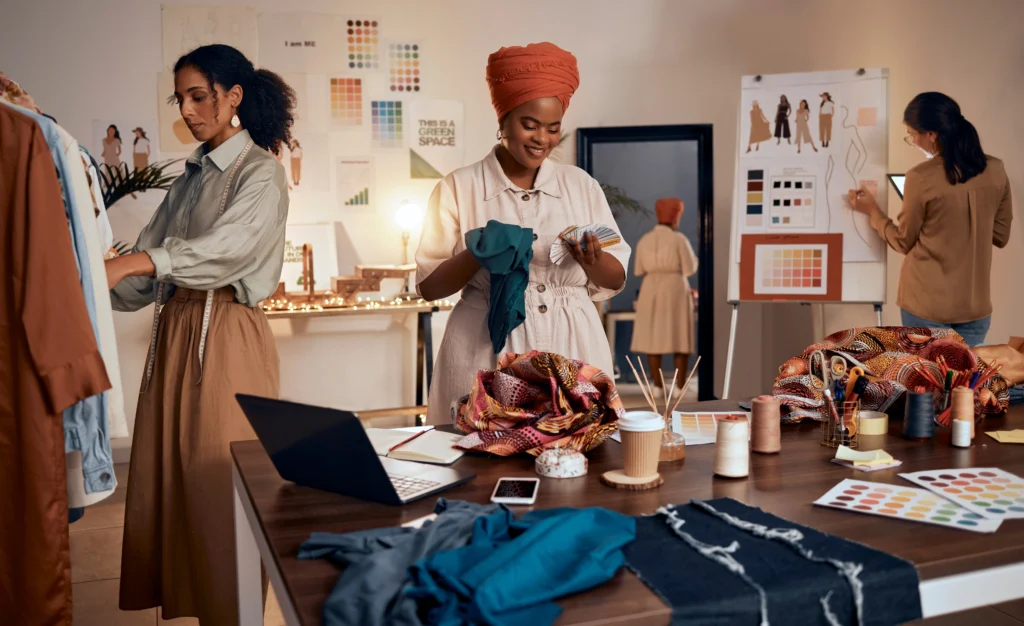
Regardless of which clothing business idea you choose, the launch process follows a clear sequence. Skipping steps in this order is the most common cause of early clothing business failure.
Step 1: Choose Your Niche and Define Your Customer (Week 1)
Write a single sentence that defines exactly who you are selling to and what makes your brand worth choosing over any alternative. This is not a tagline. This is your internal compass for every future decision.
Example: ‘We make modest-friendly professional workwear for South Asian women in Western cities who struggle to find clothes that fit their bodies, their culture, and their career at the same time.’
- Research your niche using Google Trends, TikTok hashtags, Reddit communities, and Pinterest boards.
- Identify 3 to 5 competitor brands and map exactly what they are missing. Your brand fills that gap.
- Validate demand before spending anything. Post in a relevant community and ask if people would buy what you are considering. The response tells you everything.
Step 2: Write Your Clothing Line Business Plan (Week 1 to 2)
A useful business plan is one page, not fifty. Cover your niche, target customer, business model, startup budget, pricing strategy, and 90-day marketing plan. This document keeps you accountable and focused. Read our guide on writing a clothing line business plan for a full template.
Step 3: Find Your Manufacturer or Supplier (Week 2 to 4)
This is the most consequential decision in your clothing business. Your manufacturer determines your product quality, lead times, minimum order requirements, and cost structure.
- Read our complete guide on how to find a clothing manufacturer before contacting anyone.
- Request samples from at least 3 manufacturers and compare quality, communication speed, and responsiveness.
- Check reviews, request references, and consider a factory audit for large first orders.
- For print-on-demand: Printify and Printful are the two most reliable platforms for beginners. Both integrate directly with Shopify and Etsy.
- For custom production: see our guides on custom clothing manufacturers, custom T-shirt manufacturers, and custom hoodie manufacturers for category-specific recommendations.
Step 4: Build Your Brand Identity (Week 3 to 5)
Your brand is not just your logo. It is the entire experience of encountering your business. Every touchpoint should feel consistent, intentional, and true to the community you are serving.
- Register your business name and check trademark availability at USPTO.gov (US) or the relevant authority in your country.
- Create your business logo for your clothing brand. Simple, scalable, and meaningful. Test it at 1cm x 1cm on a label mockup before finalizing.
- Develop a brand color palette (2 to 3 colors maximum), typography system, and photography style guide.
- Write a brand story that is personal, honest, and customer-focused. Why did you start this? What do you know about this community that other brands miss?
- Design your packaging: hang tags, labels, tissue paper, poly mailers, and thank-you cards. These details convert first-time buyers into repeat customers.
Step 5: Set Up Your Online Store (Week 4 to 6)
Platform |
Best For |
Monthly Cost |
Key Advantage |
| Shopify | Standalone brand store | $39 to $105/month | Best ecosystem, most integrations |
| Etsy | Handmade, vintage, niche POD | Listing fees only | Built-in search traffic |
| WooCommerce | WordPress users | Free + hosting | Full customization control |
| TikTok Shop | Impulse-buy fashion items | Commission only | Massive built-in audience |
| Amazon | Volume, commodity items | $39.99/month + fees | Largest customer base |
Step 6: Launch and Market Your Brand (Week 6 onwards)
Marketing is where most clothing businesses either grow or stagnate. The strongest channels for clothing brands in 2026 are below, ranked by ROI for new brands.
Channel |
Best For |
Cost Level |
Time to Results |
| TikTok organic content | Brand discovery, viral reach | Free (time only) | 2 to 8 weeks |
| Instagram Reels + Stories | Visual brand building, community | Free (time only) | 4 to 12 weeks |
| Email marketing | Repeat purchases, launches | Low ($20 to $50/month) | Immediate for warm list |
| Pinterest SEO | Long-term organic traffic | Free (time only) | 3 to 9 months |
| Micro-influencer partnerships | Targeted audience reach | Product gifting | 1 to 4 weeks |
| Google Shopping ads | High-intent buyers | Variable per click | Immediate with budget |
| Blog + SEO content | Long-term organic search traffic | Free (time only) | 4 to 18 months |
Business Logo Ideas for Your Clothing Brand
Your logo appears on clothing labels, hang tags, packaging, your website header, social media profiles, and marketing materials. It must work at every size from a tiny care label to a billboard. Here is how to think about it correctly.
Logo Type |
Best For |
Examples |
Design Complexity |
| Wordmark | Clear brand name recognition | Supreme, Zara, Calvin Klein | Low to medium |
| Monogram | Luxury, boutique, artisan brands | LV, YSL, Chanel | Low (but elegant) |
| Symbol / Icon | Long-term brand building | Nike swoosh, Lacoste crocodile | Medium to high |
| Combination mark | New brands (most versatile) | Most independent brands | Medium |
| Emblem / Badge | Heritage, craft, premium brands | Polo Ralph Lauren, Filson | Medium to high |
Business logo ideas for clothing brands work best when they are clean, scalable, and carry symbolic meaning. Before finalizing any logo, print it at the size it will appear on a woven clothing label (approximately 4cm x 1.5cm) and evaluate readability. Many logos that look great on screen fail completely at label size.
Invest $150 to $500 with a professional designer from 99designs or Fiverr Pro rather than relying on a free logo generator. Your logo will appear on every physical product you produce. Getting it wrong creates expensive reprinting costs later.
Innovative Ideas for Clothing Business in 2026
Beyond the core business models, several forward-thinking approaches are gaining real traction with consumers and generating press attention for independent clothing brands.
- AI-assisted design: Tools like Midjourney and Adobe Firefly allow clothing entrepreneurs to generate print-ready design concepts in hours instead of weeks. This is not replacing designers. It is accelerating the design process significantly.
- Clothing subscription boxes: Monthly curated outfit deliveries for specific niches (plus-size professionals, modest fashion consumers, sustainable buyers) create predictable recurring revenue.
- Wardrobe consulting combined with retail: Selling a personalized styling service alongside curated clothing creates a higher average transaction value and much stronger customer relationships.
- Size-inclusive extended range: Brands that genuinely offer consistent fit and style quality from XS to 6X are rare and generate disproportionate loyalty and media attention.
- Local production transparency: Brands that market their exact factory location, worker wages, and environmental footprint openly are winning trust from buyers who are increasingly skeptical of vague sustainability claims.
- Clothing repair and alteration as a brand service: Offering to repair or alter items you sell creates a lifetime customer relationship and aligns with anti-fast-fashion values.
- Capsule wardrobe collections: Selling a coordinated set of 8 to 10 pieces that all work together targets the growing minimalist and intentional living consumer segment.
Frequently Asked Questions
What clothing business can I start with little money?
Print-on-demand and vintage reselling are the two best clothing business ideas for starting with minimal capital. Both can begin for under $300. Print-on-demand requires no inventory because you pay per order. Vintage reselling requires only initial sourcing funds, typically $100 to $200 for your first batch of inventory. Both can generate their first sales within 2 to 4 weeks of starting.
Is a clothing business profitable in 2026?
Yes, with the right niche and model. Private label clothing brands achieve gross margins of 50% to 70%. Boutique curation models run 40% to 60%. Print-on-demand lands at 20% to 40%. Vintage reselling achieves 60% to 90% on well-sourced pieces. The key variable is not which model you choose but how specifically you position yourself within a defined market. Generic clothing businesses rarely sustain themselves. Specific, community-focused brands build profitable businesses with strong repeat purchase rates.
How do I find a clothing manufacturer for my brand?
Start with curated directories: Maker’s Row for US-based manufacturers, Sourcify for vetted overseas options, and Alibaba for large overseas supplier networks. Attend trade shows like Magic Las Vegas, Project NYNOW, and regional garment expos to meet manufacturers in person. Always request samples before committing to a minimum order and check references from other brands who have worked with the manufacturer. Read our complete guide on how to find a clothing manufacturer for a full vetting checklist and the questions you need to ask.
What is the difference between a clothing line and a clothing brand?
A clothing line is a specific collection of garments, often seasonal or tied to a theme. A clothing brand is the full identity around which those lines are built: the values, story, visual language, customer relationship, and long-term reputation. The most resilient businesses build a brand first and release clothing lines as expressions of that brand. Brands survive when individual products fail. Individual products rarely survive when there is no brand behind them.
How do I create a business logo for my clothing brand?
Start by defining your brand positioning clearly: who you serve, what they value, and what aesthetic language resonates with that community. Choose a logo type that fits your positioning (wordmark, combination mark, emblem). Hire a professional designer from 99designs, Fiverr Pro, or a local design studio with fashion industry experience. Before approving any final design, test it at clothing label size (approximately 4cm x 1.5cm) and in single-color black and white. Both tests reveal whether the design actually works in real production conditions.
What are the best platforms for selling clothes online in 2026?
Shopify is best for building a standalone clothing brand with full control over customer experience and data. Etsy generates strong organic traffic for handmade, vintage, and niche print-on-demand items. Depop and Poshmark work well for secondhand and vintage reselling, especially for buyers under 35. TikTok Shop is growing fast for fashion items that convert well from video content. Amazon offers volume but comes with compressed margins, intense competition, and minimal brand-building opportunity. Most successful clothing brands eventually operate across multiple platforms while driving traffic back to their own Shopify store.
Do I need a business plan to start a clothing brand?
A formal 50-page business plan is unnecessary. A focused one-page plan is essential. Cover your niche and target customer, startup budget and funding source, business model and pricing, 90-day marketing plan, and key milestones for your first 6 months. This document prevents the most common mistake in clothing entrepreneurship: spending money on production before validating that people will actually buy. Read our guide on writing a clothing line business plan for a complete template you can complete in under two hours.
How do I market a new clothing brand with no marketing budget?
Organic social media content is your primary tool. Post consistently on TikTok (minimum 3 videos per week) showing your brand story, design process, product styling, and behind-the-scenes production. Collaborate with micro-influencers in your niche in exchange for product. Build your email list from day one with a simple opt-in form on your website offering early access or a discount code. Write SEO-focused blog posts targeting style-related searches your customer makes. Apply for editorial coverage in relevant niche publications. Attend local markets and community events to build real relationships. Word of mouth from a small, genuinely excited customer base is worth more in the early stages than any paid advertising campaign.
How much can I realistically earn from a clothing business?
Earnings vary enormously based on your model, niche, and execution quality. Print-on-demand sellers at the beginning typically earn $200 to $800 per month within the first 6 months. Private label brands that execute their launch well often reach $5,000 to $15,000 monthly gross revenue within 12 months. Established niche brands with loyal communities and consistent marketing regularly generate $30,000 to $100,000+ monthly revenue. The ceiling in clothing entrepreneurship is determined by your ability to build brand loyalty rather than by the industry itself.
Pre-Launch Checklist for Your Clothing Business
Use this checklist before going live. Every unchecked item is a potential revenue leak or customer experience problem.
Brand Foundation
- Niche and target customer defined in one clear sentence
- Business name registered, trademark availability checked
- Business logo finalized and tested at label size and in black and white
- Brand color palette and typography established
- Brand story written and published on About page
Product and Supply Chain
- Manufacturer or supplier confirmed, samples approved
- First order placed or print-on-demand store live and tested
- Products photographed with consistent, professional-quality images
- Sizing guide accurate and published with real measurements
- Fabric and care information detailed on every product page
Website and Store
- Domain name secured
- Online store built and tested on both desktop and mobile
- Payment processor active and tested with a real transaction
- Return, exchange, and shipping policy written and published
- Email capture form live with an incentive (early access or discount)
- Google Analytics or equivalent tracking installed
Marketing and Launch
- Social media accounts created with consistent username and bio
- 5 to 10 pieces of launch content created and scheduled
- Email list has at least 50 warm contacts before launch
- 1 to 3 micro-influencer partnerships confirmed for launch week
- Launch date set and announced to email list and social following
Business Admin
- Business bank account open and separate from personal finances
- Basic accounting system in place (Wave, QuickBooks, or spreadsheet)
- Business insurance checked if operating physical inventory
- Tax ID and any required business licenses obtained
Related Guides and Resources
Each guide below covers one step in the clothing business journey in full detail.
- How to find a clothing manufacturer: Directories, vetting checklists, and red flags to avoid
- Starting a clothing brand: Full brand-building guide from positioning to launch
- Clothing line business plan: One-page and full business plan templates with walkthroughs
Final Thoughts
The clothing industry rewards people who commit to a specific vision and serve a real community well. Generic stores competing on price against Amazon and fast fashion chains do not win. Specific brands built around a clear customer identity, genuine product quality, and consistent marketing build audiences that buy repeatedly and refer others.
Pick the idea from this guide that genuinely excites you, fits your current budget, and addresses a gap you can see clearly in the market. Start small. Test with real customers. Build from honest feedback. Reinvest profits before spending on anything that does not directly generate revenue.
The barrier to entry in clothing has never been lower. The barrier to building a lasting brand has not changed at all. It takes clarity, consistency, and a genuine understanding of the people you are trying to serve. Start with those three things and the business follows.