
Building a profitable fashion brand starts with one document that shapes every decision you will make. A clothing line business plan gives direction, controls risk, attracts investors, and keeps your creative vision aligned with real numbers.
Many founders jump into design and marketing without a clear roadmap. That approach often leads to cash flow problems, unsold inventory, and weak brand positioning. Structured planning changes everything. Careful preparation lets you test your idea against market demand, production realities, and financial targets before investing heavily.
This guide walks you through a complete clothing line business plan built to outperform generic templates. You will learn how to structure your fashion business plan, analyze the market, choose a profitable model, calculate startup costs, and avoid the common traps that destroy new brands.
If you are serious about Starting your own clothing line, read this from start to finish and use it as your blueprint.
What Is a Clothing Line Business Plan and Why It Matters
A clothing line business plan is a structured document that outlines your brand vision, target market, product strategy, operations, marketing approach, and financial projections. Investors, manufacturers, and partners expect clarity before committing time or money.
Strong planning delivers five key outcomes:
- Clear brand positioning
- Defined target audience
- Realistic revenue projections
- Production and supply chain structure
- Measurable growth strategy
Unlike a simple apparel business plan template, a high quality clothing industry business plan connects creative direction with hard data. Market research, fashion consumer behavior insights, and competitive analysis fashion brands all play a role in building confidence.
Lenders and investors want proof that demand exists. Suppliers want to see long term potential. Your own team needs direction. Planning aligns all of it.
How to Make a Business Plan for Clothing Line
Creating a business plan for clothing line requires strategic thinking and detailed documentation. Follow this structure to build a professional clothing brand business plan.
Executive Summary
Open with a concise overview of your brand concept, mission, and financial goals. Investors often read this first and decide whether to continue.
Include:
- Brand name and positioning
- Target market
- Product categories
- Revenue model
- Funding requirements
- Three year financial snapshot
Clarity here builds trust. Avoid vague statements about passion. Show numbers and direction.
Brand Overview and Vision
Explain what your brand stands for. Define your niche clothing market ideas clearly.
Answer these:
- What problem does your clothing solve
- Who is your ideal customer
- What makes your designs different
- Why does your brand deserve market share
For example, you may target premium streetwear with oversized silhouettes. If so, mention plans to work with an Oversize clothing manufacturer to maintain quality and consistency.
Fashion Market Analysis
Strong research separates real brands from hobby projects.
Cover these areas:
Apparel Industry Trends
Discuss current apparel industry trends such as:
- Growth in direct to consumer sales
- Increased demand for sustainable fashion materials
- Rise of private label clothing production
- Growth of niche communities in streetwear and athleisure
Include reliable statistics from industry reports to demonstrate opportunity.
Target Audience Analysis
Describe age, income level, lifestyle, and buying behavior. Fashion consumer behavior is emotional and identity driven. Buyers look for belonging and status.
Explain where your audience shops, how often they buy, and what price range they accept.
Competitive Analysis Fashion Brands
Identify direct and indirect competitors. Compare:
- Price points
- Fabric quality
- Marketing channels
- Social media engagement
- Distribution model
Highlight gaps in the market that your clothing company business plan addresses.
Product Development Strategy
Design alone does not create a brand. Structured fashion product development ensures consistency and profitability.
Clothing Design Process
Document your clothing design process step by step:
- Trend research
- Mood board creation
- Sketching
- Fabric selection
- Pattern development
- Sampling
Consistency in process reduces costly revisions.
Fabric Sourcing Suppliers
Quality begins with fabric sourcing suppliers. Decide whether you will source locally or internationally. Evaluate:
- Minimum order quantities
- Lead times
- Fabric certifications
- Pricing structure
Brands focused on sustainability must choose verified sustainable fashion materials.
Clothing Prototypes Development
Samples validate design and fit. Clothing prototypes development includes:
- Tech pack creation
- First sample review
- Fit adjustments
- Final approval
Budget time and money for multiple revisions.
Apparel Manufacturing Process
Production planning protects margins.
Options include:
- Private label clothing production
- Custom cut and sew manufacturing
- Dropshipping suppliers
When scaling, partner with experienced factories. Companies like Weft Apparel often support custom apparel production and help streamline garment production planning.
If your line includes denim, research specialized Jeans Manufacturers with experience in wash treatments and finishing. Hoodie heavy brands should partner with a trusted Hoodie manufacturer to maintain fabric weight consistency.
Business Model Selection
Choosing the right structure impacts profitability and risk.
Direct to Consumer DTC
Selling through your own website maximizes margins and customer data ownership. Marketing costs are higher but brand control is strong.
Dropshipping
Products ship directly from supplier to customer. Inventory risk stays low. Profit margins remain thinner and branding control can be limited.
Wholesale
Retailers purchase in bulk. Revenue arrives faster but margins shrink. Brand exposure expands.
Which clothing business model is most profitable?
DTC often delivers the highest long term profitability due to stronger margins and brand equity. Wholesale can scale volume quickly. Dropshipping suits low capital startups.
Hybrid strategies often work best.
Clothing Line Startup Business Plan Financials
Financial clarity separates dreams from sustainable brands.
Cost to Start Your Own Clothing Line
Startup costs vary by model. Typical categories include:
- Design and sampling
- Fabric and production
- Branding and packaging
- Website development
- Marketing and advertising
- Legal registration
- Inventory storage
A realistic Cost to start your own clothing line ranges from a few thousand dollars for print on demand models to six figures for full scale production.
Break down projected expenses month by month.
Revenue Projections
Forecast:
- Average selling price
- Units sold per month
- Cost of goods sold
- Gross margin
- Marketing spend
- Net profit
Use conservative assumptions. Investors respect realistic planning more than inflated optimism.
Break Even Analysis
Calculate how many units you must sell to cover fixed costs.
Formula:
Fixed Costs divided by Contribution Margin per Unit equals Break Even Units.
Understanding this number protects you from overspending.
Business Plan for Clothing Store Versus Online Brand
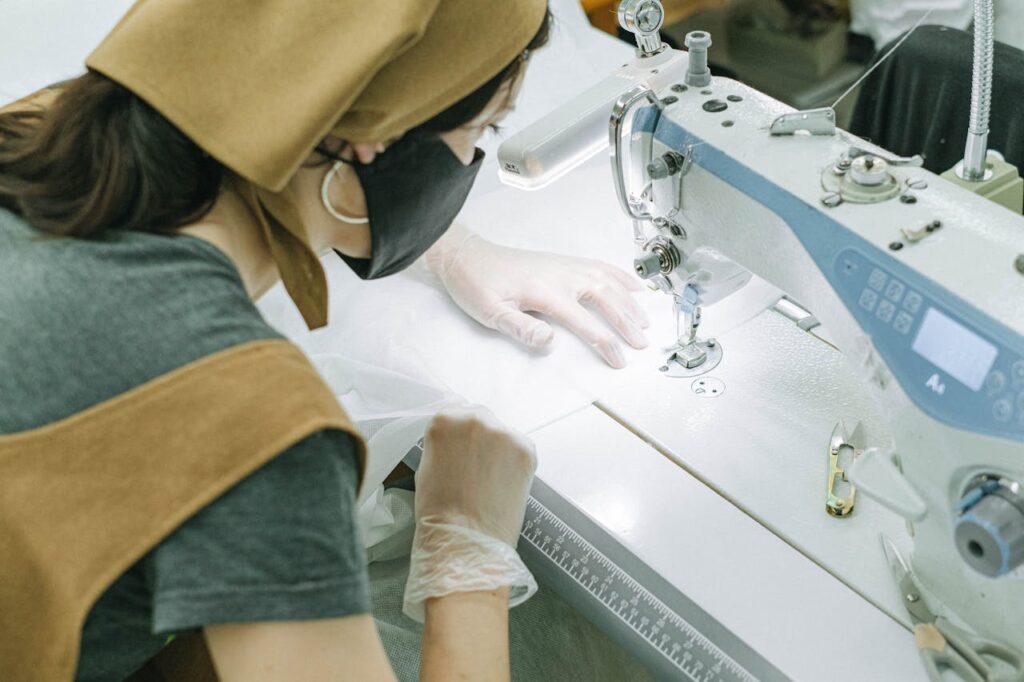
Brick and mortar clothing store models differ from ecommerce clothing brands.
A business plan for clothing store must include:
- Retail lease cost
- Foot traffic projections
- In store staffing
- Visual merchandising strategy
Online clothing business plans focus on:
- Digital marketing
- Website conversion rate
- Fulfillment logistics
Choose based on budget and target audience habits.
How to Start a Clothing Line with No Inventory
Zero inventory models reduce risk for new founders.
Options include:
Print on Demand
Products print after purchase. No upfront inventory cost. Lower margins.
Dropshipping Apparel
Supplier handles production and shipping. Quality control must be monitored closely.
Pre Order Model
Customers pay before production begins. Cash flow improves and demand validation happens early.
Starting your own clothing line without inventory requires strong branding and marketing. Community building becomes essential.
What Is the Most Profitable Clothing Niche Right Now
Profitability depends on audience demand and competition level.
High margin niches currently include:
- Premium streetwear
- Sustainable fashion
- Activewear and athleisure
- Modest fashion
- Oversized minimalist basics
Streetwear remains strong due to cultural influence and high perceived value. Sustainable brands gain loyalty from conscious consumers willing to pay more.
Niche clarity beats broad targeting.
Marketing Strategy for Your Fashion Business Plan
Visibility drives sales.
Brand Positioning
Define tone, visuals, and story. Emotional connection increases lifetime value.
Content Marketing
Create:
- Style guides
- Behind the scenes production content
- Fabric education posts
- Trend reports
Educational content builds authority.
Social Media Strategy
Focus on platforms where your audience spends time. Short form video drives apparel discovery.
Encourage user generated content and influencer partnerships.
Paid Advertising
Test small budgets first. Track cost per acquisition carefully.
Email Marketing
Collect emails early. Offer incentives. Build repeat buyers through exclusive drops.
Operational Planning and Logistics
Garment production planning must include:
- Production timeline
- Quality control checkpoints
- Shipping partners
- Returns policy
Inventory management software becomes critical once volume increases.
Risk Management
Every clothing industry business plan must address risks.
Common threats:
- Delayed manufacturing
- Fabric shortages
- Trend shifts
- Marketing underperformance
- Cash flow gaps
Maintain emergency reserves to cover three to six months of expenses.
Business Plan Examples for Clothing Line Inspiration
Study successful clothing brand business plan case studies. Analyze how they:
- Identified niche audiences
- Built community before scaling
- Controlled inventory levels
- Maintained quality standards
Learning from proven models reduces guesswork.
What Are the Biggest Mistakes New Clothing Brands Make
Avoid these common errors:
Overproduction
Large inventory orders without demand validation drain capital.
Weak Branding
Generic logos and unclear identity make differentiation impossible.
Ignoring Cash Flow
Revenue does not equal profit. Monitor expenses closely.
Poor Quality Control
Low quality garments destroy reputation quickly.
No Marketing Budget
Even the best designs fail without visibility.
Legal Structure and Protection
Register your business properly.
Choose between:
- Sole proprietorship
- LLC
- Corporation
Protect intellectual property with trademarks. Draft supplier contracts carefully.
Scaling Your Clothing Company Business Plan
Growth requires structured reinvestment.
Steps include:
- Expanding product lines
- Entering new markets
- Increasing marketing budget
- Partnering with larger manufacturers
Scaling without operational systems creates chaos. Document processes early.
Final Checklist for a Business Plan for Fashion Line
Before presenting your business plan for clothing business, confirm:
- Market research completed
- Competitor analysis documented
- Clear product roadmap
- Manufacturing partners identified
- Realistic financial projections
- Marketing strategy defined
- Risk assessment included
Confidence comes from preparation.
Conclusion
Launching a clothing brand requires creativity supported by strategy. A clothing line business plan gives you control over direction, finances, and growth potential. Design passion alone cannot build a profitable fashion brand. Structured planning backed by data, market research, and disciplined execution creates sustainable results.
If you are serious about building a long term apparel brand, start with a complete and realistic plan. Numbers guide decisions. Research shapes positioning. Strategic partnerships such as experienced manufacturers help maintain quality at scale. Commit to planning before production and you will build a brand that stands strong in a competitive market.