

With its year-round wearability and strong branding appeal, the hoodie stands out as a high-margin staple in modern fashion and a strategic product for DTC, athleisure, and streetwear brands. Although looks are important, technical knowledge of the hoodie manufacturing process is necessary for a brand’s success to guarantee uniform quality, affordable prices, and scalable expansion. From first concept to final shipment, this guide offers fashion brands and startups a professional roadmap of how to manufacture hoodies, therefore helping them to circumvent typical problems such as fabrication discrepancies or production delays while encouraging dependable manufacturing collaborations .
Overview of the Hoodie Manufacturing Process
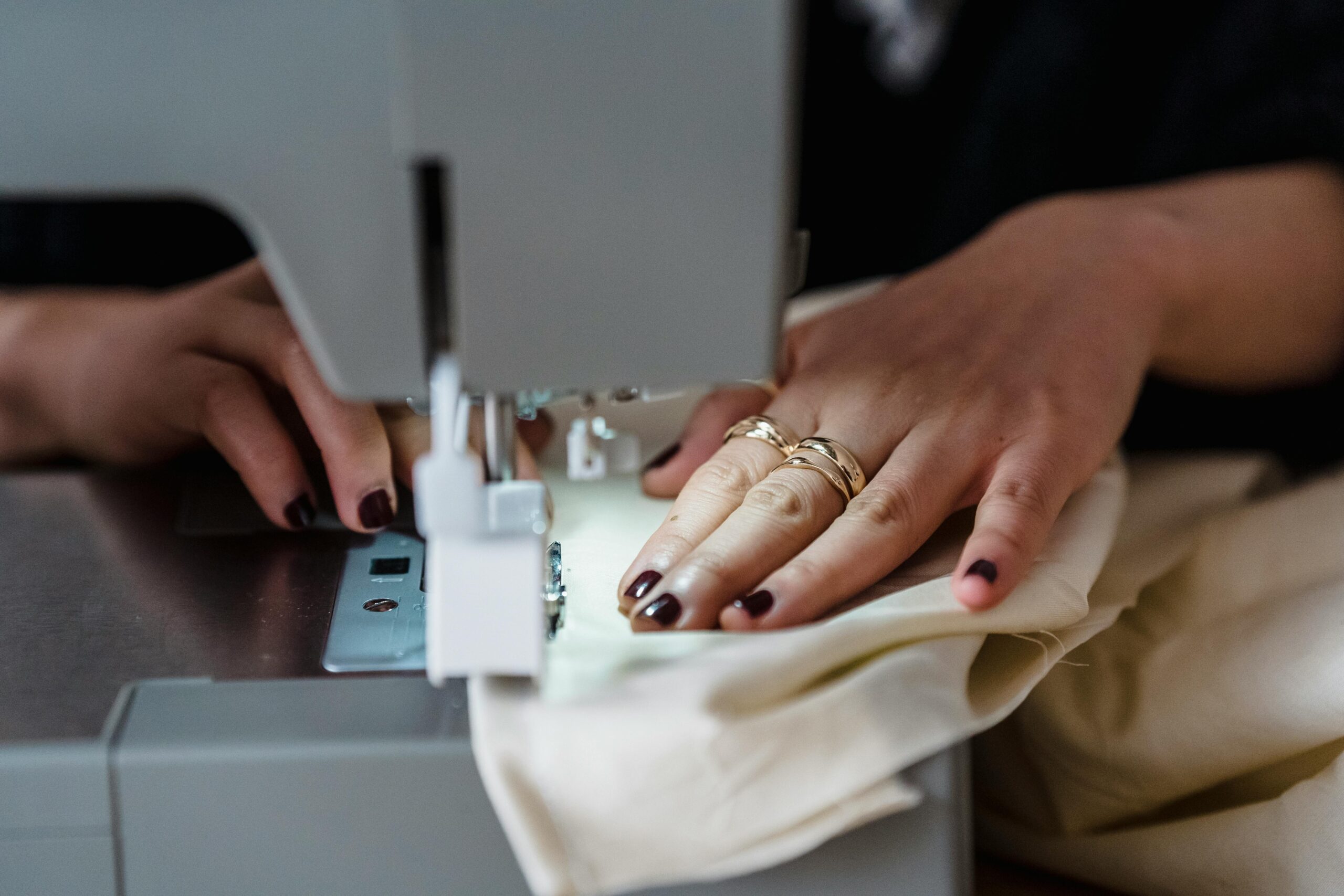
A systematic series of production steps known as the hoodie production process converts an idea into a finished, ready-for-retail apparel. Every phase directly influences brand reputation, product life, and cost efficiency. Understanding this process helps fashion companies set reasonable expectations and fosters better cooperation with producers.
Usually, hoodie production starts with design development and fabric acquisition, then pattern creation, sampling, bulk manufacture, branding, and finally quality control. Particularly in big orders, every step has to be done precisely to guarantee consistency.
Small-batch hoodie production is also obviously different from bulk hoodie manufacture. While large production necessitates finished designs and exact forecasting to reach cost effectiveness, small runs offer flexibility yet come at greater per-unit prices. Transparency in B2B apparel manufacturing guarantees better communication and fewer manufacturing mistakes throughout all phases.
Key Stages in the Custom Hoodie Manufacturing Process
Hoodie manufacturing steps comprises design and tech pack development, fabric sourcing, cutting and stitching, branding application, washing and finishing, and final quality control at a high level. Every stage rises from the correctness of the one before it; hence, early-stage planning is essential for bulk success.
Brands can more effectively assess producer capacity and prevent pointless changes during production if they clearly grasp these phases.
How Manufacturers Streamline Hoodie Production for Brands
Through organized processes, effective batch planning, and uniform quality checks, professional producers improve hoodie manufacturing. Organizing production lines and matching equipment to order needs helps producers keep consistency over high volumes and cut delays.
Material optimization, exact cutting techniques, and in-line quality inspections further reduce waste and rework. Brands gain directly from these efficiencies via quicker turnaround times, consistent pricing, and greater product dependability.
Step-by-Step Hoodie Manufacturing Process
Step 1 – Product Concept & Design Development
Starting with the custom hoodie ideas, concept and goal guides the manufacturing process. Whether the hoodie is meant for streetwear, athleisure, advertising purposes, or premium retail depends on the brand. At this point, choices regarding style, including pullover or zip-up fit, sizing range, and target audience, are made final.
Hoodie manufacturers depend rather much on thorough tech packs, which include stitch kinds, fabric characteristics, measurements, building details, branding location, and instructions. Correct design documentation guarantees flawless communication and lowers the risk of expensive production mistakes later.
Related: A Comprehensive Guide to the Clothing Manufacturing Process
Step 2 – Fabric Selection & Material Sourcing
One of the most crucial decisions in hoodie design is selecting the right fabric. Based on comfort, durability, and cost needs, producers find cotton fleece, French terry, or mixed textiles. GSM weight is chosen based on brand placement and seasonal use.
Shrinkage, colourfastness, and pilling resistance are tested for in fabrics before manufacture. For companies aiming at sustainability, producers can also obtain certified or recycled fabrics to comply with environmental regulations.
Step 3 – Pattern Making & Size Grading
Design specifications are turned into tangible patterns used in production via pattern making. Manufacturers make fundamental patterns that take into consideration washing effects, seam allowances, and fabric behaviour. These patterns govern the drape and fit of the hoodie on the body.

Keeping proportional correctness, size grading next scales the basic pattern over all requested sizes. Brands targeting the international market, where fit consistency directly impacts client satisfaction, this stage is particularly crucial.
Step 4 – Sampling & Prototype Development
Sampling lets companies assess the hoodie before they decide whether to mass-produce it. First samples aid in the evaluation of fit, cloth feel, sewing quality, and general building. Revisions could be needed to modify dimensions or materials depending on input.
Once the last sample is accepted, it starts to be the mass-produced reference criterion. This “golden sample” guarantees that the brand and maker will be in line across the bulk purchase.
Step 5 – Production Planning & Fabric Cutting
Hoodie stitching process and planning aligns order quantities, delivery deadlines, and manufacturing capacity. Manufacturers schedule production batches and allocate resources to meet timelines efficiently.
Fabric cutting is performed using manual or automated methods depending on order size. Precision cutting ensures uniformity across panels, reduces material waste, and supports consistent stitching during assembly.
Step 6 – Hoodie Stitching & Assembly
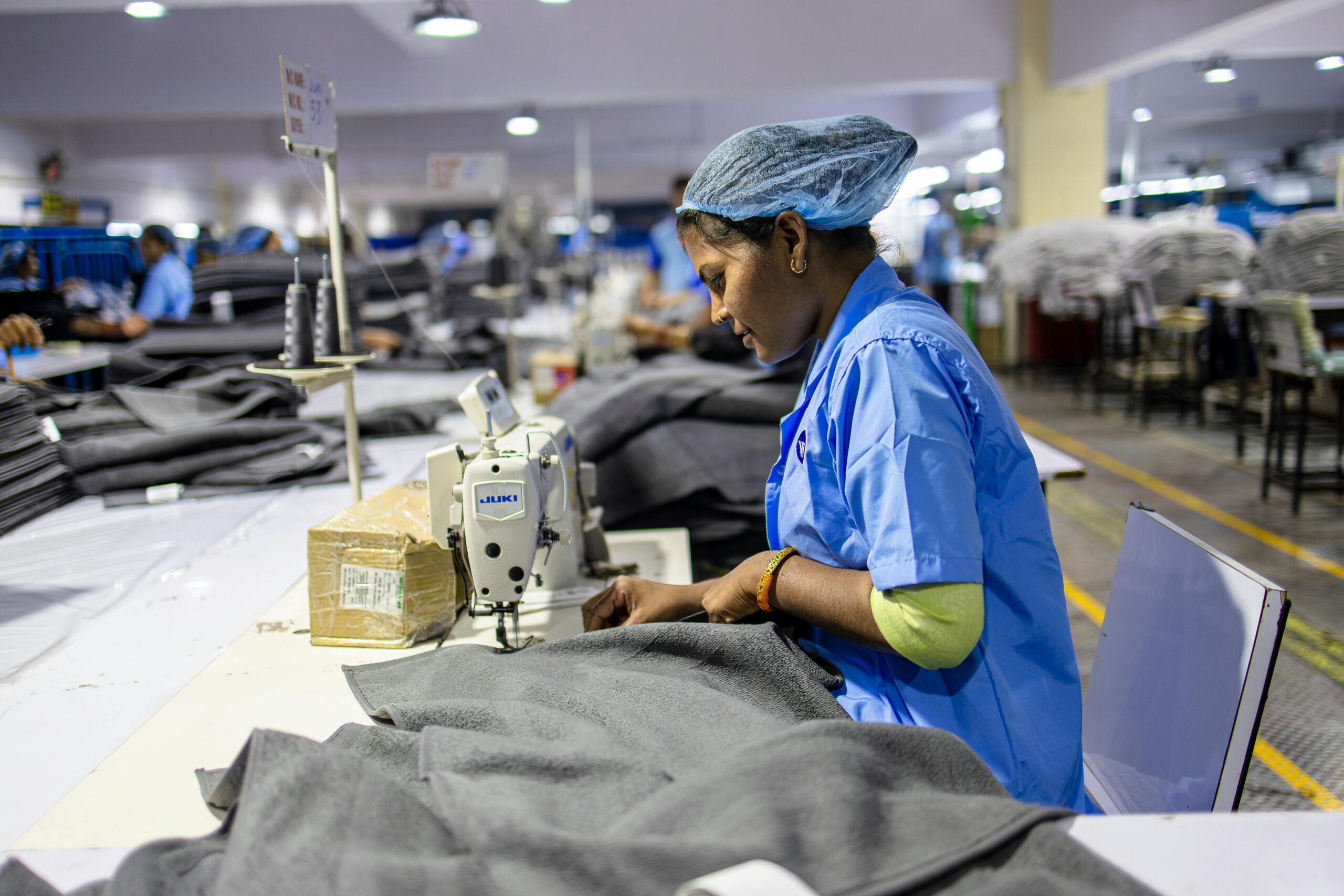
Individual fabric panels are combined into full hoodies throughout sewing. This covers the adding of sleeves, hoods, rib cuffs, waistbands, and pockets. Manufacturers utilize specialized equipment to get strong seams and spotless finishes.
High-stress points like pocket corners and shoulder seams are strengthened to increase clothing life. Maintaining brand standards depends on regular stitching quality.
Step 7 – Printing, Embroidery & Branding
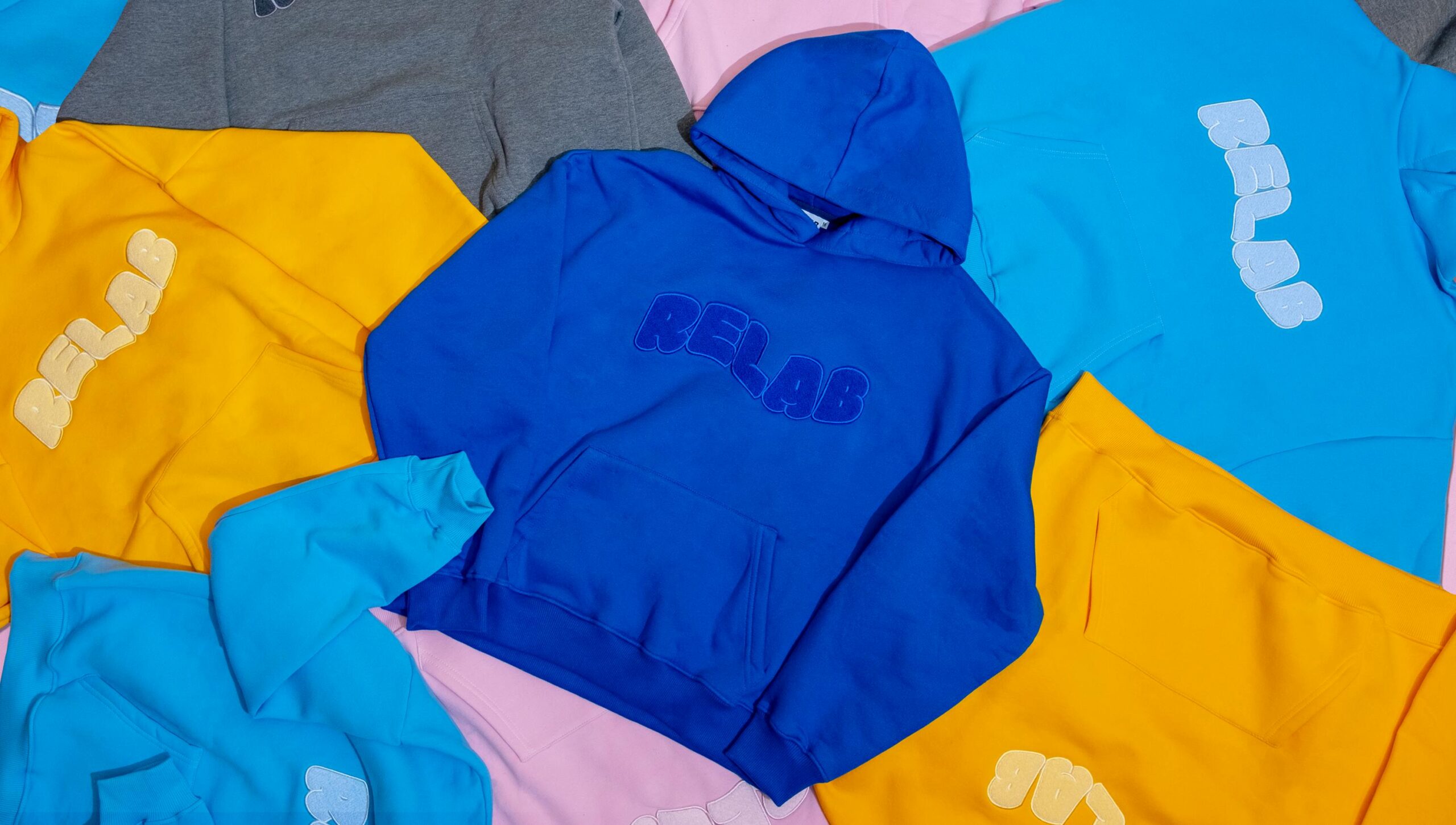
Screen printing, embroidery, DTG printing, or other specialized methods like puff prints help one apply branding elements. To preserve visual coherence across all units, precision in placement is essential.
Manufacturers perform wash and wear tests to make sure branding stays intact and does not fracture, fade, or distort over time.
Step 8 – Washing, Finishing & Quality Control
Washing methods include pre-shrinking, enzyme washing, or softening treatments, improve comfort and stabilize garment dimensions. Finishing steps improve the shape and design of the hoodie.
Quality control inspections assess brand accuracy, stitch, fabric integrity, and measurements. Multi-stage checks find problems before finishing packaging.
Step 9 – Labeling, Packaging & Compliance
To comply with regulatory standards, hoodies bear country-of-origin information, size details, and care instructions. Packaging differs according to direct-to-consumer, wholesale, or retail distribution methods.
Producers make sure packaging satisfies international shipping rules and brand guidelines.
Step 10 – Final Inspection, Dispatch & Logistics
Final checks confirm order accuracy and quality consistency before delivery. Goods are packaged, noted, and ready for delivery. Manufacturers organize logistics using air or sea freight depending on price, delivery schedules, and destination needs.

How Much Does It Cost to Get a Hoodie Manufactured?
Depending on fabric quality, order volume, branding intricacy, and production site, making a hoodie usually costs between $8 and $25 per unit. Low MOQs, premium materials, and elaborate designs raise prices; bulk manufacturing lowers per-unit cost. Brands profit from open price analyses given by seasoned producers.
How to Start Your Own Hoodie Brand
Beginning a hoodie company calls for choosing a niche, creating expert designs, and choosing a trustworthy manufacturer. Brands have to confirm samples, estimate manufacturing volumes, and match pricing with intended profits. Working with a seasoned producer lowers entry hurdles for startups and streamlines production.
Related: How to Start a Hoodie Business in 2026
What Is a Good Profit Margin for Hoodies?
Depending on branding strength and cost efficiency, a healthy profit margin for hoodies usually ranges from 50% to 70%. Companies that properly manage production expenses while keeping superior quality have more sustainable margins.
How a Reliable Manufacturer Adds Value for Brands
Dependable makers provide end-to-end production control, consistent quality, flexible MOQs, and scalability. Clear communication and defined hoodie making process step by step enable companies to concentrate on marketing and expansion instead of operational issues.
Closing Insights: Mastering the Hoodie Manufacturing Process
Brands and startups can confidently scale, control quality, and manage expenses by knowing the whole hoodie factory process. Every step of the hoodie line, from design development to final delivery, contributes greatly to its success.
Working with Weft Apparel guarantees manufacturing efficiency, uniform quality, and long-term expansion, hence turning the manufacturing relationship into a strategic benefit instead of a hazard.