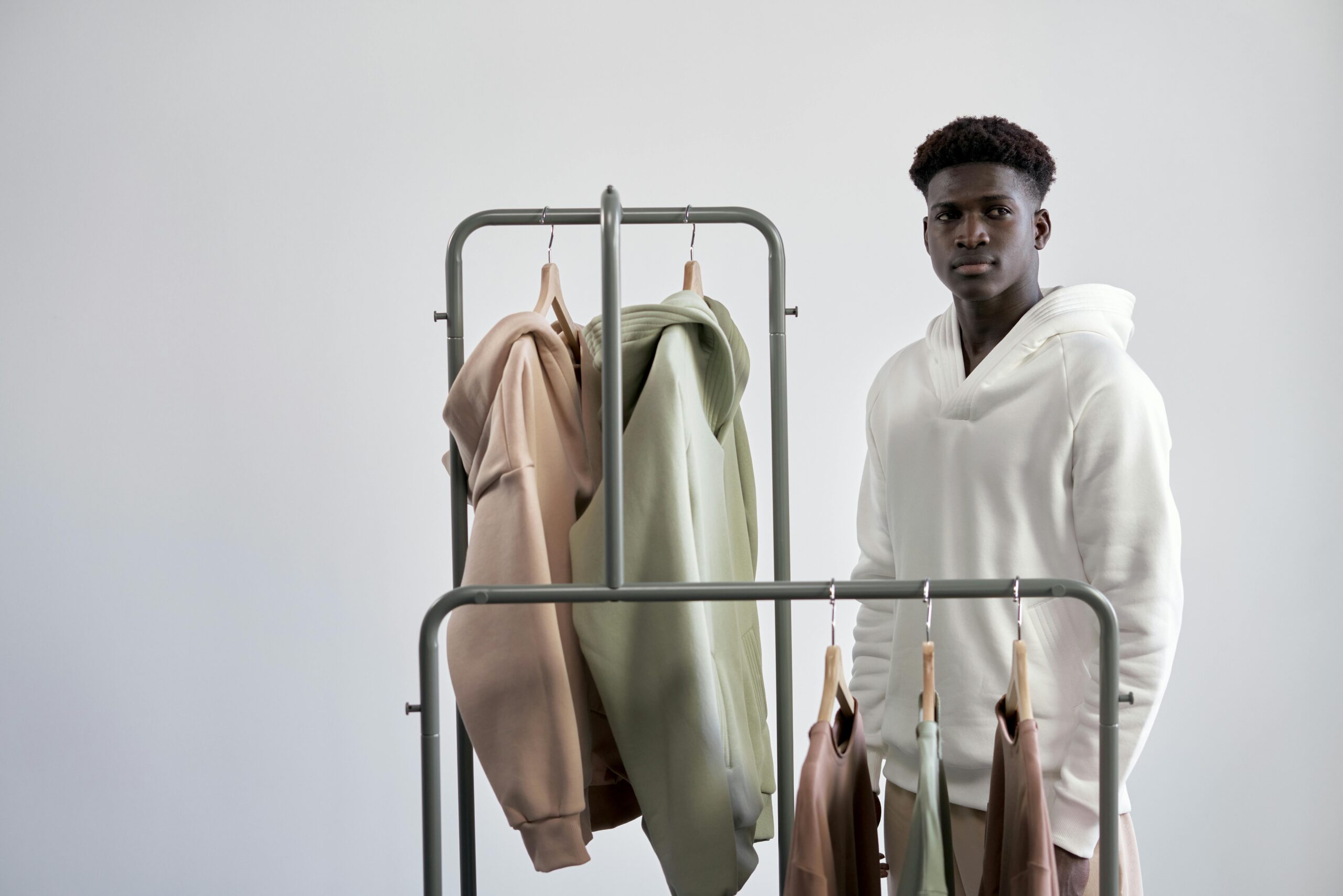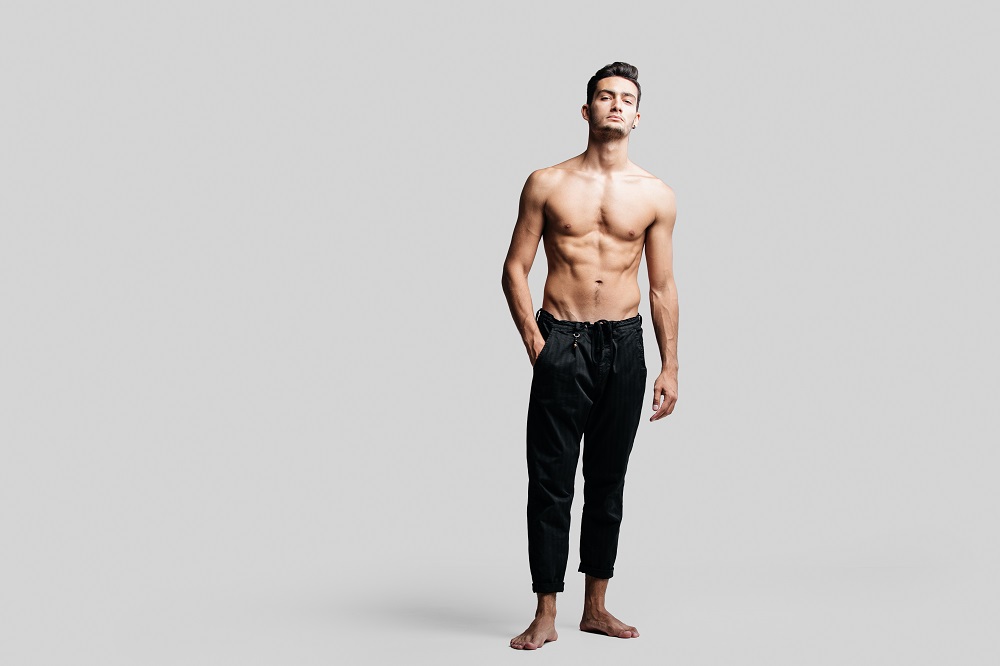

Streetwear has transcended its humble subcultural origins to become a dominant force in global fashion. What began as skate, hip-hop, and urban counterculture has evolved into a multi-billion-dollar industry driven by youth culture, social media, and limited-edition drops. In 2025, the global streetwear market was valued at over USD 206 billion, and it is projected to grow to approximately USD 213.8 billion in 2026, continuing a steady expansion driven by digital commerce and cultural relevance.
Entrepreneurs hoping to enter this industry in 2026 need not only to have passion; they also need a concept to launch a strategy. One of the most important aspects of this trip is working with a dependable streetwear manufacturer capable of transforming innovative ideas into market-ready, superior quality goods. Emphasizing the importance of manufacturing quality, this all-inclusive guide guides you through every stage of launching a streetwear brand.
What Are The Four Types Of Streetwear?
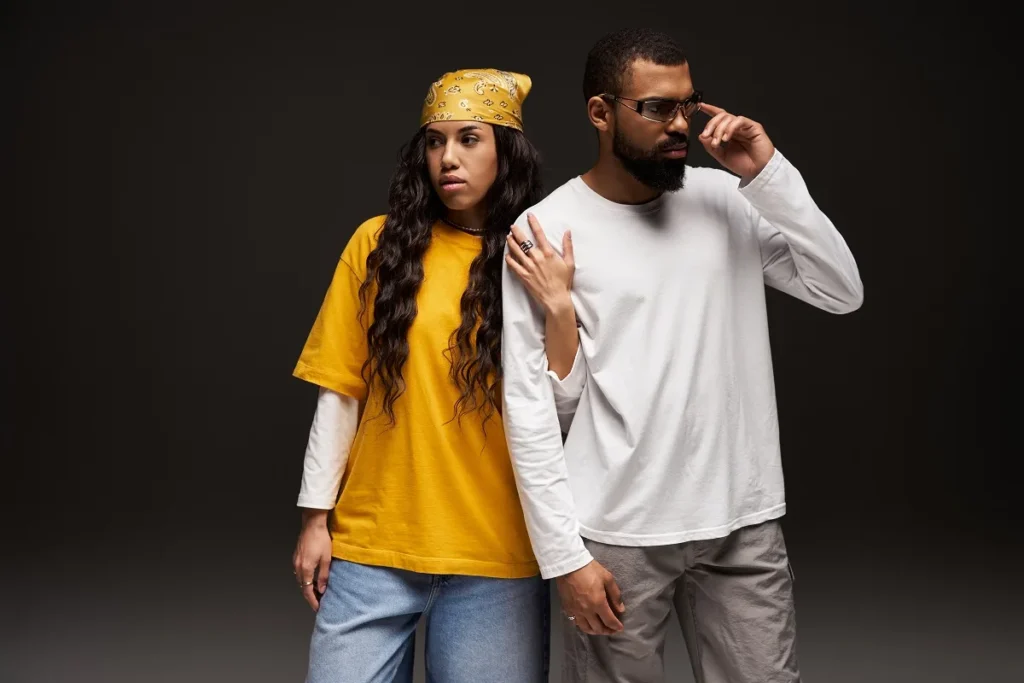
Knowing the various styles that characterize streetwear now is useful before you begin creating anything. Though there is no universally accepted classification, the industry generally distinguishes these four significant kinds:
- Heritage Streetwear: Inspired by 1980s and 1990s skate and hip-hop culture, and grounded in classics like baggy graphic shirts, hoodies, and sneakers, this style combines nostalgia with modern twists.
- Tech-Infused Streetwear: Fuses inventiveness with clothing, sometimes including performance fabrics, portable technology, or physical components like NFC chips and digital wardrobe ties-in.
- Sustainable Streetwear: Appeals to goal-oriented consumers by emphasizing eco-friendly fabrics, recycled materials, and ethical manufacturing methods.
- High-End / Luxury Streetwear: Through limited-edition partnerships and high price points, often fuses street culture with luxury fashion to generate collector value.
Every kind appeals to a distinct audience and shapes your design, pricing, manufacturing, and marketing approach.
Step-by-Step Guide to Starting a Streetwear Clothing Line in 2026
Step 1 – Understand the Streetwear Market and Trends
Entering the streetwear industry in 2026 means first grounding your strategy in market realities. With internet purchases and social media-driven trends changing consumer behavior, the streetwear market keeps expanding.
Demand for companies providing cultural relevance and authenticity is being driven mostly by younger consumers, particularly millennials and Gen Z. Driven by exclusive partnerships, influencer culture, and internet participation, this generation’s passion has enabled streetwear to keep up with rapid expansion.
With an expected market value of more than USD 213 billion in 2026, the sector offers great possibilities but also fierce rivalry. A thorough knowledge of these market forces will enable you to create a clothing brand streetwear that connects with your target demographic and stands out among many others.
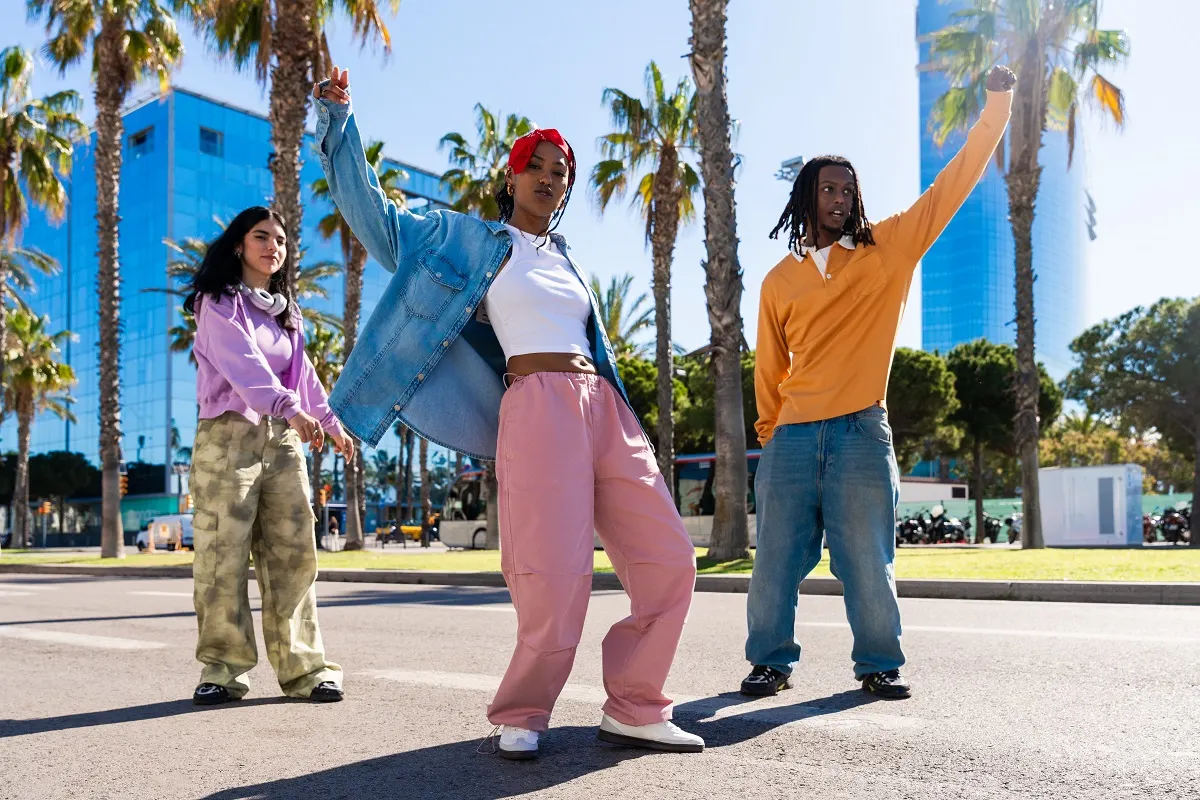
Step 2 – Define Your Streetwear Brand Concept
Your streetwear business‘s core, your brand concept, acts as the emotional and imaginative base upon which all next choices rest. Strong ideas start with clearly understanding what your brand represents, your values, cultural influences, and distinguishing features.
This story should appeal directly to your audience, giving them cause to be interested in your items beyond fashion. Your idea will drive every design choice to marketing approach, whether you decide to advocate sustainability, commemorate a certain subculture, or mix high fashion with urban edge. Early development of a strong brand identification fosters a devoted community that boosts your development.
Step 3 – Select the Right Streetwear Product Categories
Consider which items will best represent your brand identity and connect with customers when deciding on your first product line. Offering flexible surfaces for creative expression, traditional streetwear categories like hoodies, graphic shirts, jackets, and accessories are still quite important to the culture.
Oversized forms, gender-fluid designs, and practical pieces fusing comfort with dramatic aesthetics have dominated the industry in recent years. These product choices will determine your production needs, as various materials and building methods will affect complexity and expense in addition to your design process.
Choosing goods to fit your startup streetwear‘s aesthetics and practical ability prepares the ground for easy cooperation with your supplier. Create a proper clothing line business plan.
Step 4 – Design Products for Manufacturing
One of the most important first steps linking inspiration and production is developing items with manufacturing in mind. Good streetwear begins with meticulous tech packs, all-inclusive documents that cover every element of your design, including measurements, materials, stitching details, and trim specs.
These tech packs’ clarity determines exactly how a maker can create samples and finished goods. Poor documentation usually results in mistakes, expensive fixes, and delays. Investing care and precision into your tech packs will help you clearly convey your vision and reduce conflict during the sampling process. Furthermore, building trust and efficiency in your continuous relationship with your production partner comes from this meticulous preparation.
Step 5 – Choose the Right Clothing Manufacturer
Choosing a manufacturing partner is among your most significant judgments. Working with manufacturers that specialize in clothing design, appreciate trend-led fashion, and can satisfy the particular requirements of your designs benefits streetwear companies. Important elements to consider include minimum order quantities (MOQs), manufacturing capacity, quality control procedures, and communication reactivity.
Many companies combine local and international production in 2026 to maximize cost, quality, and lead times. Domestic partners could provide faster turnaround and more effective oversight; international plants sometimes have cost benefits for bigger runs. Launching effectively depends on selecting the ideal combination, depending on your volume expectations and quality needs.
Step 6 – Sampling, Fit Testing, and Approvals
The sampling phase starts once you have selected a manufacturer. This entails the creation of prototypes and their modification until they fulfill your criteria. Sampling lets you assess fit, fabrics, and workmanship before you fully dedicate to production.
Particularly in streetwear, where loose or oversized forms abound and customer comfort demands are great, fit testing is crucial. By means of a cooperative feedback mechanism with your producer, you can carefully adjust every element to guarantee uniformity across designs and sizes. Effective sampling and approvals help to lower the possibility of expensive mistakes in mass manufacturing.
Step 7 – Understand Production Costs and Pricing
A thorough grasp of production costs lets you price your goods fairly and environmentally friendly. Raw materials, labor, trims, shipping, and quality assurance all count under production expenses. Your streetwear business’s positioning and target margins must be counterbalanced against these.
Particularly in restricted drops or premium categories, streetwear can demand higher price points when backed by strong branding and apparent value. Transparent cost modeling also lets you predict your cash flow requirements and bargain skillfully with your manufacturing partner, guaranteeing your pricing plan matches both profit and market expectations.
Step 8 – Plan Bulk Production and Timelines
You may arrange bulk manufacture once samples are approved and prices are clear. Efficient time management guarantees your products are prepared for launch windows and advertising initiatives. During this phase, delivery expectations are matched; fabric and trim availability are verified; production runs are scheduled.
Clear contact with your private label clothing manufacturer is absolutely vital since delays at any point can disturb inventory readiness and launch plans. At this point, organizing for repeat orders and future collections will also help your supply chain and let you grow without sacrificing quality.
Step 9 – Quality Control and Compliance
High quality builds brand credibility and reduces returns. Streetwear products must undergo rigorous quality control to assess stitching durability, fabric performance, print longevity, and wash performance.
In addition to technical quality, compliance with labeling and packaging standards ensures your products meet retail and e-commerce requirements. Ensuring consistent quality across all units reinforces customer trust and supports long-term streetwear brand startup reputation.
Step 10 – Prepare for Brand Launch
Your start plan is where production meets market entry. A unified start results from coordinating your manufacturing calendar with your brand’s sales and marketing campaigns.
Having goods ready on schedule helps to create momentum, whether you go for an online release, pop-up event, or cooperation drop. Packaging also matters—branded labels, hangtags, and presentation raise apparent worth and suit consumer expectations for streetwear culture.

Step 11 – Scale Your Streetwear Brand With the Right Manufacturer
Your brand’s growth depends on your production partner’s capacity to manage greater volumes without sacrificing quality following your first launch.
Growing demand necessitates flexible and dependable production capacity as it explores new categories, pursues collaborations, or widens distribution channels. With a solid collaboration, you may rapidly innovate, keep constant quality, and react to market changes with flexibility.
Are Streetwear Brands Profitable?
The great market volume and cultural momentum of streetwear point to its profit potential in 2026. Driven by online activity and youth demand, projections for the streetwear market are over USD 213 billion in 2026, and present profit potential that is still competitive.
Established companies like Supreme, Nike, and Palace demonstrate how exclusivity, restricted drops, and cultural placement boost high profits and secondary market value. Particularly when using direct-to-consumer channels and fostering strong communities, new brands that successfully develop distinctive identities and control manufacturing expenses can turn profitable.
Profitability is not assured; it relies on clever pricing, effective operations, powerful branding, and the capacity to adjust to changing trends.
The Must Haves for Streetwear Style
Modern streetwear design in 2026 combines comfort, identity, and cultural expression. Offering comfortable fits that appeal to both fashion and lifestyle concerns, oversized silhouettes remain popular. Reflecting consumer attitudes on environmental responsibility, eco-friendly materials, and sustainable manufacturing methods are increasingly essential to streetwear brand appeal.
Strong images, prominent logos, and vintage inspirations still shape visual language in streetwear, therefore enhancing uniqueness and cultural storytelling. Inclusive sizing and gender-neutral designs mirror larger changes in fashion, thereby enabling streetwear to be accessible to a wide variety of people. Emerging companies’ design and manufacturing choices, as well as consumer preferences, are shaped by these stylistic principles.
Bringing It All Together: Launching a Streetwear Brand the Right Way
Starting a streetwear company in 2026 demands a calculated mix of operational accuracy, market awareness, and creative vision. Every stage, from spotting trends and clarifying your idea to working with a skilled producer and arranging your launch, contributes significantly to the success of your brand. Contact Weft Apparel that matches your production approach to cultural relevance and consumer expectations will help your streetwear clothing business startup not only to launch but also to flourish in the cutthroat streetwear environment.